
Getting shocked is more than unpleasant – it can be lethal. An electrical impulse as small as 14 milliamps is enough to kill a person. The current drawn by a plug-in nightlight is more than sufficient to do the job. Here’s what you need to know to protect your family.
Electricity powers nearly every aspect of modern life, from the morning coffee maker to the security system watching over your home while you sleep. We depend on it completely – but very few homeowners understand how dangerous it actually is, or how quickly a seemingly minor issue behind a wall can become life-threatening.
Whether you’re tackling a remodeling project, troubleshooting a tripped breaker, or simply wondering if your older home’s wiring is still safe, this guide covers the electrical shock prevention fundamentals that every homeowner needs to understand.
The Lethal Threshold: A current of just 14 milliamps can cause fatal cardiac arrest. For perspective, the current flowing through a typical toaster is approximately 10 amps-more than 700 times the lethal threshold. Even 10 milliamps causes painful, uncontrollable muscle spasms, while 20 milliamps can trigger heart fibrillation.
Understanding the Basics of Electrical Current
To understand why electrical shock prevention matters, you need a basic grasp of how alternating current (AC) electricity works in your home. Three fundamental properties govern every circuit:
Voltage (V)
The force or pressure that pushes electrons through a conductor. In the United States, most residential outlets supply 120V AC. Larger appliances like dryers and ranges use 240V. Higher voltage means greater potential for harm.
Current (A)
The number of electrons flowing through the conductor, measured in amperes (amps). Current is what actually causes injury during a shock. Even tiny amounts passing through the heart can be fatal.
Resistance (Ω)
The opposition to current flow, measured in ohms. Dry skin provides significant resistance, but wet skin, cuts, or sweat dramatically reduce resistance – allowing far more dangerous current to flow through your body.
These three values are related by Ohm’s Law: Voltage = Current × Resistance. This is why wet conditions are so dangerous. Water reduces your body’s resistance, allowing the same household voltage to push far more current through you. It’s also why GFCI-protected outlets are required near any water source – they detect the moment current escapes its intended path and cut the power in a fraction of a second.
Before You Start Any Electrical Work
Even projects that aren’t strictly “electrical work”-like removing drywall, pulling old paneling, or drilling into walls – can expose live wires. Before touching anything behind a wall surface, there are essential steps that separate safe homeowners from statistics.
Essential Pre-Work Safety Steps
- Verify your test tools first. Before relying on any voltage tester, prove it works by testing it on a known-live circuit. A dead meter will give you a false sense of safety.
- Turn off the circuit breaker for the area you’ll be working in. But don’t stop there – verify the circuit is dead using a Non-Contact Voltage Tester (NCVT).
- Never assume all wires in a box are dead. In older homes, it’s common to find wires from multiple circuits passing through the same junction box. One breaker only controls one circuit. The others may still be live and lethal.
- Test every wire, not just the outlet. After the wall surface is removed, sweep the entire exposed cavity with your NCVT. It’s not unusual to discover a second or even third live circuit you didn’t know existed.
- Check for reverse polarity. Faulty wiring can energize conductors that should be neutral. Use a receptacle tester with GFCI to identify mis-wired outlets before you touch anything downstream.
Listen to Your Circuit Breaker
Your circuit breaker is one of the most important safety devices in your home. When it trips, it’s telling you something. Pay attention.
Trips Immediately After Reset
This is the most serious warning. A breaker that refuses to stay on is detecting a severe electrical fault – a short circuit, ground fault, or catastrophic wiring failure. Don’t force it back on. Every attempt risks fire or arc flash. Call a licensed electrician immediately.
Trips at Specific Times of Day
If a breaker trips every time you run a hair dryer or vacuum cleaner, the circuit is either overloaded or there’s a developing fault in the wiring. This pattern is your early warning system – address it before it becomes an emergency.
Repeated Trips Throughout the Day
Multiple trips in a single day or week – even if the breaker resets each time – indicate a worsening condition. The problem is intermittent now, but intermittent faults become permanent ones. Get it inspected before it escalates.
If an Electrical Fire Starts
Knowing how to respond to an electrical fire is as important as preventing one. Firefighters emphasize two critical decisions: fight or flee, and never use water.
Critical Rule: Never Throw Water on an Electrical Fire
Water conducts electricity. Throwing water on an electrical fire can cause the fire to spread, create an electrocution hazard, or trigger a violent steam explosion. Always use a Class C or ABC-rated chemical fire extinguisher.
If you’ve any doubt about your ability to contain the fire, get out of the house immediately and call the fire department from outside. Never let a fire get between you and your exit.
If you decide the fire is small enough to fight, firefighters recommend the PASS method for using a fire extinguisher:
Pull the safety pin from the extinguisher handle
Aim the nozzle at the base of the fire, not the flames
Squeeze the handle to release the extinguishing agent
Sweep side to side until the flames are fully out
Warning Signs Hiding in Plain Sight
Apart from obvious sparks or a breaker that won’t stay on, there are subtle indicators of dangerous electrical conditions that every homeowner should watch for:
Flickering or Dimming Lights
Cause: Loose wiring splices, a failing fixture, or a deteriorating connection at the panel. Action: If isolated to one fixture, cut power and inspect. If building-wide, it could indicate a failing main breaker or service entry problem.
Warm Outlets or Faceplates
Cause: An oversized electrical load, undersized wiring, or a loose splice generating heat. Note: dimmer switches can feel warm under normal operation – but should never be too hot to touch. Action: Cut power, investigate for melted connections or burned insulation.
Wobbly Switches or Receptacles
Cause: The device is improperly mounted, or the electrical box has come loose from the stud. Action: Cut power, remove the faceplate, and tighten mounting screws. If the box itself is loose, it needs to be resecured to the framing.
Wobbling Ceiling Fans
Cause: Fan is out of balance, has loose hardware, or is installed on an electrical box not rated for fan support. Standard outlet boxes can’t safely hold a ceiling fan. Action: Cut power and inspect. If needed, install a retrofit fan-rated box (e.g., Arlington Steel One Box).
GFCI Outlets That Trip Repeatedly
Cause: A ground fault downstream, or a worn-out GFCI device. Action: Move the appliance to a different GFCI and test. If the new GFCI also trips, the appliance is suspect. If only the original trips, the GFCI or its downstream wiring needs professional attention.
Small Shocks from Appliances
Cause: Older appliances – especially refrigerators with defrost circuits – can develop small leakage currents through worn internal insulation. This is especially dangerous on conductive concrete floors in garages and basements. Action: Replace the appliance and ensure the outlet has GFCI protection.
Dangerous Conditions Found During Remodeling
Remodeling work frequently exposes wiring conditions that have been hidden behind walls for decades. If you uncover any of the following, stop work immediately and call a licensed electrician before proceeding:
Stop Work Immediately If You Find:
- Knob-and-tube wiring: Bare copper wires stretched between porcelain insulators. This obsolete system has no grounding conductor, degraded insulation, and is a major fire risk – especially if it’s been buried under blown-in insulation.
- Burned or melted wire insulation: Evidence of past overloads, lightning strikes, or mis-wiring. Damaged insulation can cause arcing faults that ignite surrounding wood or insulation materials.
- Blackened or discolored switches and outlets: Any browning, char marks, or melted plastic on devices indicates severe overheating. The wiring behind these devices needs professional inspection.
- Water stains on or around the service panel: Water intrusion into the electrical panel – common in older homes with poor meter seals – is extremely dangerous. Don’t open the panel. Call an electrician.
- Sloppy or unpermitted electrical work: Coffee cans used as junction boxes, duct tape instead of wire connectors, exposed splices outside of boxes – these are fire and electrocution hazards that require professional code corrections.
- Aluminum branch circuit wiring: Solid aluminum wiring in branch circuits (common in 1960s – 1970s homes) is prone to oxidation and loose connections that generate extreme heat at termination points.
Essential Tool: The Digital Multimeter (DMM)
A digital multimeter – especially one with a built-in non-contact voltage tester – belongs in the toolkit of anyone who does maintenance or remodeling around the home. Beyond testing for live voltage, a DMM can:
- Test battery voltage on portable devices and backup systems
- Check light bulb continuity when you can’t visually see a broken filament
- Test solenoid valves on dishwashers, ice makers, and irrigation systems for broken coils
- Verify test lead integrity before relying on the meter’s readings
Safety note: Always use a meter rated by UL or an equivalent accredited testing organization, with shrouded connectors and finger guards on all test leads. Inspect leads for physical damage before every use.
The Homeowner’s Electrical Safety Checklist
Whether you’re doing minor maintenance or preparing for a remodeling project, follow these rules to protect yourself and your family:
- Never work on live circuits. Always turn off the breaker and verify with an NCVT before touching anything.
- Prove your tools work by testing on a known-live source before relying on a “no voltage” reading.
- Never work alone. Having someone nearby who can call for help or shut off a breaker could save your life.
- Use only properly rated test equipment. Inspect test leads before every use and replace any that show damage.
- Keep a Class C or ABC fire extinguisher accessible wherever electrical work is being performed.
- Test your GFCI outlets monthly using the built-in TEST and RESET buttons.
- Never assume old wiring is safe. Age, rodent damage, moisture, and past DIY work can all compromise insulation integrity.
- When in doubt, always call a licensed electrician. No project is worth your life.
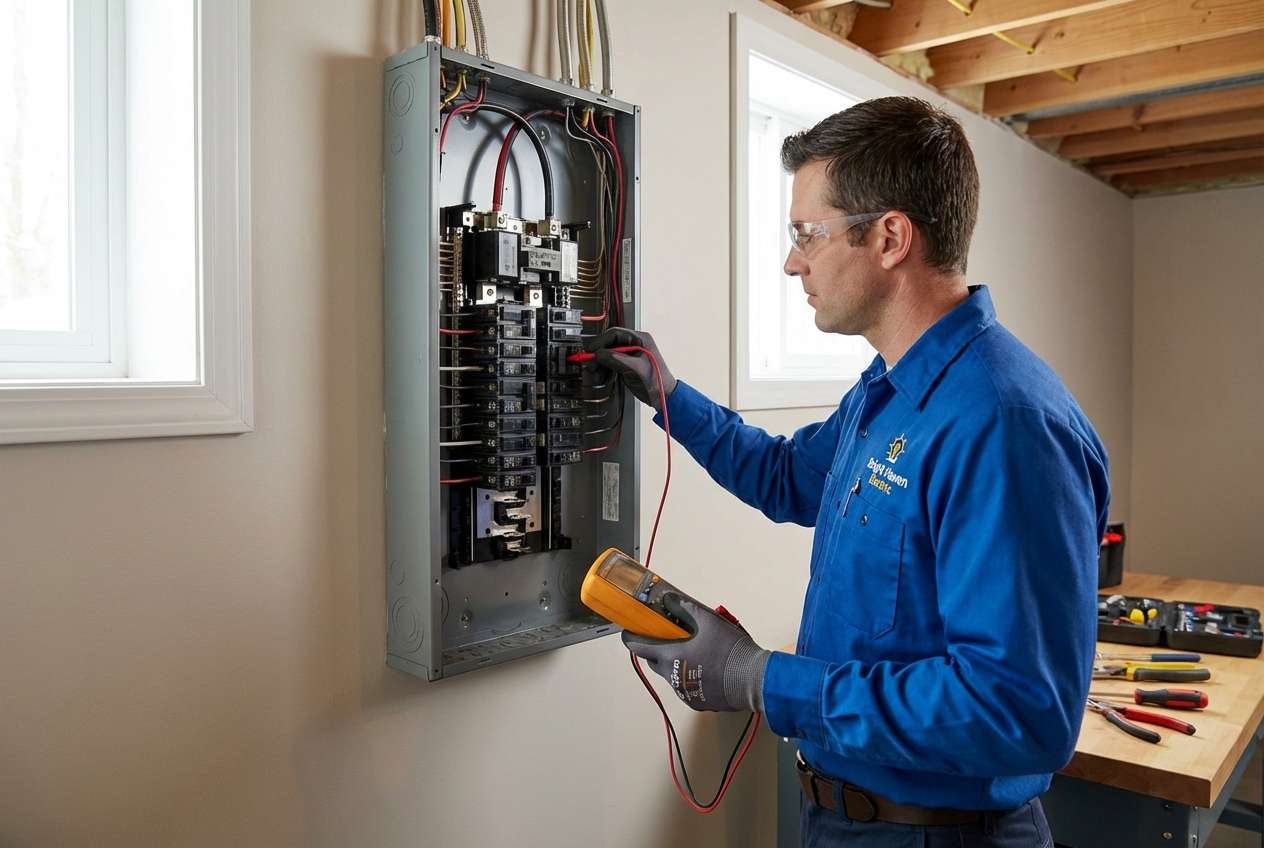
Don’t Risk Your Family’s Safety
Electrical hazards are often invisible until they become emergencies. If your home has aging wiring, frequently tripping breakers, warm outlets, or any of the warning signs described above, it’s time for a professional safety inspection.
Bright Haven Electric LLC provides comprehensive electrical safety audits, AFCI/GFCI upgrades, panel inspections, and full home rewiring services across West Central Minnesota.
Transparent, Tech-Driven Operations
At Bright Haven Electric, LLC, we operate under a strict mandate: electrical contracting must be as precise in its business operations as it’s in its technical execution. Discover our enterprise-grade quoting infrastructure and custom electrical solutions.
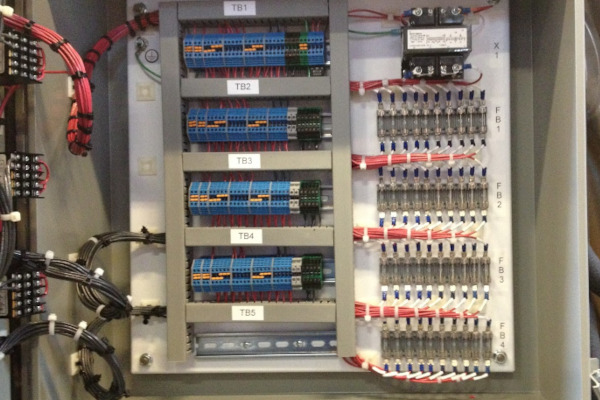
The industry standard of opaque, back-of-the-napkin quoting is insufficient for modern clients. Recently, we deployed a comprehensive quoting package (Quotation #27) for a local client, Darren, and his family. Because of this, the interaction perfectly illustrates our approach. We’ve synthesized enterprise-grade IT infrastructure with local contracting to provide mathematically perfect, transparent service. This creates custom electrical solutions that you can trust.
How Our Flat-Rate Pricing Works for You
Most contractors estimate jobs from memory or a spreadsheet. We do it differently. We built a custom pricing engine directly into our business management system. When we scope your project, every material and every hour of labor runs through this engine automatically.
Here is what that means for you as a customer:
No Guesswork
Our system calculates the real cost of every wire, breaker, and connector on your project. In addition, we standardize labor hours. We never estimate from a gut feeling.
Locked-In Pricing
Once we generate your quote, the price is fixed. We calculate material costs and labor to the penny and lock everything in before you ever see the proposal.
Competitive Sourcing, Zero Compromise
We source materials from over five reputable American distributors for every job. By comparing real-time pricing across multiple suppliers, we pass the savings directly to you – without ever cutting corners on quality or brand reputation.
We believe every hard-earned dollar our neighbors spend on their home, farm, or business deserves to be treated with respect. That means honest pricing built on real numbers, quality materials from trusted American manufacturers, and a process that puts you – the homeowner – first. When we save money on materials, you save money on your project. That’s how it should work.
A Cleaner Portal Experience for Custom Electrical Solutions
At Bright Haven Electric, we believe the customer experience doesn’t start when we arrive at a residential jobsite. Instead, it starts the moment a customer receives a quote. Quoting accuracy must be paired with frictionless data accessibility.
That’s why we customized our digital customer portal to make our quotations cleaner, easier to read, and better aligned with the way we do business. We wanted customers to quickly understand the included work, optional upgrades, final amounts, and how to approve the proposal – without the clutter of unnecessary tax display columns or awkward generic address formatting.
Account Consolidation
Our system automatically gathers all field notes and contact data from your site visit. Then, we send you an invitation with secure access to my.bhelectric.ltd/my/home.
Persistent Document Retention
The portal acts as a permanent ledger. As a result, clients can track quote status, view future invoices, and download custom PDF reports at any time.
The Human Element
Automating our administrative overhead allows us to focus entirely on the physical site execution and the client relationship. Thus, we view technology as part of the same commitment to doing things right.
Built for More: The Technology Behind Custom Electrical Solutions
A panel may look like a simple metal box on the wall to most people. In reality, it’s the control center for the entire electrical system. We don’t believe in one-size-fits-all electrical work.
On a recent project, for example, we evaluated multiple electric panel feeder configurations. As a result, we tailored the system to the client’s budget, installation conditions, and performance goals. Instead of forcing a generic package, we build flexibility into every design.
Intentional Feeder Design
Feeders are the backbone of a panel system. We consider different conductor strategies using copper and aluminum options where appropriate, with careful attention to ampacity, installation methods, and long-term durability to match the client’s actual needs.
Future-Proof Configuration
Today’s homes carry loads older systems were never designed for: EVs, heat pumps, and shop equipment. We approach layout with future serviceability in mind, making troubleshooting easier and ensuring the panel can handle the types of loads likely to be added later.
Structured Planning
Our material takeoffs and panel build strategies are never improvised. On the contrary, we review them in a structured way so every installation stays consistent and reflects the high standard of care behind the Bright Haven Electric name.
At Bright Haven Electric, the best projects give you choices you may never even notice. Specifically, this means cleaner distribution, better organization, and more scalable infrastructure. That’s the value of custom electrical solutions.
“Municipal and NFPA NEC codes are minimum standards. Our mission at Bright Haven Electric LLC isn’t just to meet them, but to exceed them.”
Need a Custom Electrical Solution?
If you need an electrical system designed for the way you actually use your home, shop, farm, or business, Bright Haven builds custom solutions with safety, efficiency, and future expansion in mind.
Circuit Breaker Tripping Explained
Before you head to the basement to flip a switch back to the “on” position, here is an inside look at how your electrical panel protects your home from a raging fire.
We’ve all been there: You’re running the microwave while someone is blow-drying their hair, and suddenly the room goes dark. A breaker usually trips for one of two reasons: the circuit is overloaded, or there’s a fault.
In everyday homes, overloads are far more common. That’s usually what happens when too many high-draw devices end up on the same branch circuit. A short circuit or a ground fault is a much more serious issue, causing the breaker to react much faster. Let’s look at what’s actually happening inside your electrical panel when the power cuts out.
Watch it in action
Curious to see exactly what happens inside that plastic box during a massive fault? Warped Perception recorded an incredible slow-motion capture showing how common breakers violently trip under duress to save your home.
Watch the YouTube Video1. The Mechanics of a Tripped Breaker
Almost every modern home electrical panel relies on thermal-magnetic circuit breakers. That means the breaker has two distinct ways of shutting down the power based on what kind of problem it detects on the line.
The Thermal Trip (Slow Blow)
This is your standard overload. Say you’ve a space heater and a vacuum running on the same 15-amp bedroom circuit. That pulls more electricity than the wiring is rated for. Inside the breaker, a little metal piece called a bimetallic strip absorbs that extra heat. As it warms up, the metal physically bends. Eventually, it bends far enough to pop the spring-loaded lever and kill the power before the wires inside your walls can melt. It’s a reliable, slow-acting safety net.
The Magnetic Trip (Short Circuit)
A short circuit happens when a hot wire directly touches a neutral or ground wire – maybe a framing nail went through a wire, or a mouse chewed the insulation. Electricity floods the line instantly. Instead of waiting for a metal strip to heat up, this massive surge hits an electromagnetic coil inside the breaker. The coil creates a strong magnetic field that yanks the breaker switch open in a fraction of a second. It stops the flow of electricity before a fire can start.
The Hydraulic-Magnetic Trip
Unlike standard breakers that rely on heat to warp a bimetallic strip, some premium breakers (like certain Leviton models) use fluid engineering. They’ve a magnetic coil wrapped around a tube filled with silicone fluid. Surges pull a small iron core through that fluid. Small surges pull it slowly, but massive short-circuits pull it instantly to trip the switch. Because they aren’t triggered by ambient heat, these are great for hot environments like a Minnesota garage in July where a standard thermal breaker might nuisance trip.
2. Why Old Breakers Fail to Prevent Circuit Breaker Tripping Disasters
In older properties around West Central Minnesota, it’s common to find obsolete, hazardous, or historically problematic electrical panels like Federal Pacific, Zinsco, or Pushmatic. Some of these older panel series have documented failure-to-trip concerns under certain fault conditions.
Without proper overcurrent protection, dangerous overheating can occur inside the wiring system, increasing the risk of electrical fire. That’s why panel inspections are critical.
Modern Protection: AFCIs
If there’s one recent technological leap in circuit breaker technology you should know about, it’s the Arc Fault Circuit Interrupter (AFCI).
Standard breakers catch overloads and dead shorts, but they don’t always catch arcs (sparks jumping across broken or loose wires). Modern AFCIs use electronics to continuously monitor the electrical waveform for signatures associated with hazardous arcing. When they detect that erratic frequency, they trip the circuit before the arcing can ignite surrounding material.
Precision GFCI Circuit Breaker Tripping
We all know Ground Fault Circuit Interrupters (GFCIs) belong near water. But how do they actually detect a shock hazard?
They use a small sensing ring called a
Current Transformer (CT). Both the hot and the neutral wires pass through this ring.
Normally, the current going out exactly matches the current coming back.
If even a tiny trickle of electricity escapes – say, through water on a counter, or through a person – that
balance is broken. The CT senses that the returning power is weaker than the outgoing power.
The Life-Saving Reaction
The electronics inside the GFCI realize power is leaking to ground and immediately open the circuit. That incredibly fast reaction is what prevents a dangerous shock from becoming fatal.Need Your Panel Checked?
If your breakers are constantly tripping, or you live in an aging home with an outdated panel, don’t guess when it comes to electrical safety.
At Bright Haven Electric LLC, our expert electricians provide comprehensive electrical panel inspections and AFCI/GFCI upgrades throughout West Central Minnesota.
Enterprise Engineering
The Bright Haven network infrastructure is powered by a highly available, self-hosted Kubernetes architecture smoothly integrated with physical networking hardware and robust perimeter security.

When managing digital infrastructure, stability and speed are paramount. Therefore, we never rely on shared web hosting arrays. Instead, the Bright Haven network infrastructure operates on a deeply optimized private cloud. Ultimately, our multi-layered enterprise architecture provides high availability with layered redundancy, maximum performance, and strong workload isolation and segmentation.
Hardwired by Design: The Core of the Bright Haven Network Infrastructure
Our first rule of networking is profoundly simple: Wi-Fi is a fallback position, not a primary strategy. On an average day, our network dynamically manages up to 60 distinct hosts. However, out of all those devices, only about 6 to 10 ever rely on a wireless connection.
Plus, everything from our virtualization hosts to our IoT interfaces is primarily hardwired. This physical connection guarantees zero wireless interference and minimal latency. As a result, we achieve massive throughput and near-bare-metal performance across our Virtual Functions (SR-IOV) within the Bright Haven network infrastructure.
The Technical Foundation of Our Architecture
Powering our high-speed, 10GbE backbone involves advanced logical separation. Specifically, here is how we execute enterprise-grade operations behind the scenes:
Zero Trust & Edge Security
First and foremost, our perimeter is guarded by OPNsense stateful firewalls. These operate alongside IDS/IPS and application-aware filtering where appropriate. Consequently, we expose absolutely no inbound ports to the internet directly. Instead, all public-facing services securely transit through Cloudflare (Zero Trust) Tunnels. This method securely publishes our origins without exposing inbound ports, while leveraging Cloudflare’s edge network for SSL termination, DDoS protection, and optional caching where appropriate.
Hardware Segmentation
Our dual-stack, LAG/LACP-connected Juniper core switch strictly isolates all internal IPv4 and IPv6 traffic via discrete VLANs. By implementing hardware-enforced ACLs and firewall filters alongside Class of Service (CoS) prioritizations, unauthorized traffic is dropped in hardware before it reaches the routing engine. IoT devices, cameras, and core servers remain deeply separated at the silicon layer.
Kubernetes & eBPF
Also, our containerized workloads run on an immutable OS (Talos Linux) across a high-availability cluster. For networking, we replaced standard proxies with Cilium’s highly advanced eBPF native routing. We peer BGP directly with our switching fabric within the Bright Haven network infrastructure. This reduces reliance on NAT, avoids common proxy bottlenecks, and lets us utilize BIG TCP to improve throughput by reducing per-packet overhead on high-speed links. Finally, to integrate cleanly with traditional routing domains, we actively publish our BGP routes to OSPF and OSPFv3.
Future Scalability
In addition, we never stop engineering. Future plans include transitioning to a high-density VTEP collapsed spine topology. This will utilize enterprise-grade Broadcom Trident II+/3 silicon for the new core switch. As a result, this will allow us to migrate the current L3 core switch downward to serve as a robust leaf aggregation and access layer.
Containerized Stack
Meanwhile, the websites utilizing the Bright Haven network infrastructure run on an aggressively tuned LEMP-like stack. Each site is processed by decoupled containers leveraging a heavily optimized Nginx proxy. Plus, a multi-node highly available Redis cache tier handles object caching. This is entirely governed by custom TCP health checks via an HAProxy frontend.
Advanced Storage Topologies
Additionally, our databases run on distributed, highly available block storage explicitly pinned to fast SSDs for sub-millisecond low-latency I/O. For massive bulk storage, we map our NAS arrays dynamically to multiple virtual machines using `virtio-fs` for high-performance host-to-guest file sharing in scenarios where it outperforms traditional network filesystems.
Hardware Virtualization
Finally, our Proxmox hypervisor nodes interact directly with the physical network via 10GbE DAC (twinax) cabling. By provisioning our virtual machines with dedicated SR-IOV Virtual Functions straight from the physical network adapters, we bypass most virtual switching overhead for performance-sensitive workloads.
Technical Mastery
If engineering highly available, enterprise data networks is what we do in our spare time, imagine the level of precision and dedication we bring to your projects. Discover what Bright Haven Electric can offer you.
10 Outdoor Electrical Safety Tips
Electricity is essential indoors, but dealing with it outdoors comes with serious responsibilities. From downed lines after a storm to underground utilities, understanding these outdoor electrical safety tips is essential to protecting your family.
Why Outdoor Electrical Safety Tips Matter
Whether you’re getting ready to plant a tree, doing some pruning, or using a standby generator during a power outage, adhering to basic electrical safety rules can prevent dangerous situations. Before you head outside in West Central Minnesota, review these essential rules to keep your household secure.
Look Up and Around
When working outdoors around your house, always check for overhead power lines before beginning any task. Remember to keep tall ladders, roofing materials, and pruning equipment far clear of overhead lines to avoid hazardous shocks and arc flashes.
Call 811 Before You Dig
Thinking of planting a tree or building a deck? When getting ready to dig, make sure to call 811 – the free “Call Before You Dig” hotline. This helps you avoid the potential hazards and expensive repairs associated with striking underground utilities.
Stay Clear of Downed Lines
After a storm, you may encounter damaged utility infrastructure. Stay far away from downed power lines. Always assume a downed line is fully energized and extremely dangerous, and report it to your local utility company immediately.
Generator Safety First
If using a backup portable generator, stringently follow the manufacturer’s instructions to prevent carbon monoxide poisoning and backfeeding. In addition, never use an oven to heat your home if your primary power is out.
Smart Tree Planting
The right tree in the wrong place can be disastrous. Always plant new trees far away from overhead power lines. If a tree has already grown into the lines, don’t trim it yourself. Never climb trees near power lines, even if the lines aren’t directly touching the branches.
Avoid Lines Near Water
Water and electricity are a deadly mix. Never install hot tubs, swimming pools, or wading pools underneath or near overhead power lines. Make sure all your outdoor receptacles rely on properly functioning GFCI protection.
Respect Utility Equipment
Never climb transmission towers, power poles, or substation fences. Don’t sit on the green transformer cabinets housing electrical equipment in your neighborhood. If a pet is stuck climbing a power pole, don’t try to rescue it – call your utility provider or 911.
Watch Aerial Toys
Avoid flying kites, metallic balloons, drones, and radio-controlled toys near power lines. If a kite or Mylar balloon drifts into or near a power line, let it go. Never try to retrieve anything caught in a power line yourself.
Reconsider Playhouses
When building play structures for your children, placement is everything. Do not build playhouses, treehouses, or elevated viewing platforms in trees with nearby overhead lines. Keep all recreation spaces firmly out of the path of electrical feeds.
Know Your Breaker Panel
The simplest safety tip is sometimes the most important: Always know exactly where your home’s main circuit panel is located, and ensure all adults in the home know how to shut off the individual breakers and the main disconnect switch in an emergency.
Notice an Outdoor Hazard?
If your home’s exterior electrical features, such as the service drop, outdoor meter box, or exterior outlets, appear damaged from weather, wind, or age, taking rapid action is essential.
Professional Action: Never attempt to reset, bend, pull, or replace your exterior utility meter base or service mast yourself. If any of these items in or outside your home seem off, don’t hesitate to contact Bright Haven Electric LLC for a professional evaluation.
Complete Safety & Reliability
We hope these outdoor electrical safety tips help you stay vigilant. Getting a thorough inspection of your home’s electrical system, both inside and out, can give you genuine confidence and safety. Bright Haven Electric offers top-tier electrical safety evaluations for West Central Minnesota homeowners.
Protecting Your Family:
The Ultimate Home Electrical Safety Guide
From AFCI breakers to GFCI outlets and tamper-resistant receptacles, learn how modern electrical upgrades prevent hidden fire and shock hazards in your Minnesota home.
Related Services
Did You Know?
Standard circuit breakers only trip during a severe overload or short circuit. They can’t detect the microscopic sputtering arcs that cause 50% of residential electrical fires. Only an AFCI upgrade provides true arc-fault protection.
today, families live life on the go. With all the running around, we often put household projects on the back burner. But one project that should never be ignored is evaluating the home electrical safety of your property.
According to the U.S. Consumer Product Safety Commission (CPSC) and the National Fire Protection Association (NFPA), incidents involving electrical equipment result in more than 41,000 residential fires each year. These electrical home structure fires claim hundreds of lives, injure thousands, and cause over $1.4 billion in property damage annually.
There’s no time like the present to take a good look around your home and make the necessary changes to eliminate hidden electrical hazards that can lead to fires or electrocution. At Bright Haven Electric, we believe learning the critical differences between GFCIs, AFCIs, and proper outlet safety is the best place to start.

Understanding GFCI Protection for Home Electrical Safety
A great starting point for your home safety inspection is to take an inventory of the outlets both inside and outside your home. If you don’t have Ground Fault Circuit Interrupter (GFCI) protected outlets in areas that contain exposure to water or dampness, your home isn’t as safe as it should be.
Remember: electricity and water don’t mix! The purpose of a GFCI is to prevent fatal shocks. A GFCI device constantly monitors current levels on the hot and neutral sides of a circuit. If the GFCI senses an imbalance of just 1/2000 of an amp – meaning electricity is leaking, potentially through you – it trips the circuit in 1/40 of a second or less.
The National Electrical Code (NEC) strictly requires GFCI protection in wet areas such as bathrooms, kitchens, basements, laundry areas, garages, and all outdoor receptacles for both new construction and major renovations.
How to Test a GFCI Outlet (Takes Under a Minute!)
Don’t know if your house is equipped with working GFCIs? They’re easy to spot: they’ve two buttons on the face (“TEST” and “RESET”). Industry experts estimate up to 25% of all GFCIs operate improperly due to power surges or age. They should be tested monthly:
- Plug a lamp or radio into the GFCI and turn it on. The device should have power.
- Push the “TEST” button on the GFCI. It should audibly “trip” and the lamp should immediately turn off.
- Push the “RESET” button. The lamp should come back on.
If the GFCI didn’t trip, or if it tripped but failed to reset, the device is compromised and must be replaced immediately by a licensed electrician.
The Importance of AFCI Breakers
While GFCIs protect against shock, Arc-Fault Circuit Interrupters (AFCIs) protect against fire. The CPSC estimates that problems in home wiring, like hidden arcing and sparking, cause more than 30,000 home fires annually. Arcing faults occur when electricity jumps across a damaged wire or loose connection, generating immense heat that quickly ignites surrounding wood or insulation.
AFCIs are advanced circuit breakers installed directly in your main electrical service panel. They’re designed to detect these dangerous electrical arcs instantly and shut off the power before a fire can start. The CPSC estimates that AFCIs could prevent more than 50% of these electrical fires each year.
- Typical arcing situations include hidden, damaged wire insulation (often due to rodents), loose connections at old receptacles, or heavily worn appliance cords.
- The NEC currently requires AFCI protection for newly constructed bedrooms and living areas.
- Standard circuit breakers in older homes can – and should – be easily upgraded to AFCIs by a professional.
Tamper-Resistant Receptacles (Child Safety)
Electrical safety goes beyond just preventing overloads; it involves protecting the most vulnerable members of your family. Approximately 2,400 children suffer from severe shocks or burns each year from sticking foreign objects into standard outlets – that’s nearly 7 incidents a day.
Tamper-Resistant Receptacles (TRRs) look ordinary from the outside, but inside they contain spring-loaded cover plates designed to firmly close off the receptacle slots. When a standard electrical plug is inserted, equal pressure is simultaneously applied to both sides, allowing the internal covers to slide open safely. If a child pushes a paperclip or key into just one slot, the barrier remains locked shut.
- TRRs have been mandatory in hospital pediatric care facilities for decades and are now required by the NEC in all newly built homes.
- In older Minnesota homes, standard electrical outlets can be smoothly replaced with TRRs – an incredibly small price to pay for ensuring your toddler’s absolute safety.
- Always replace receptacles that are physically cracked, no longer hold a plug securely, feel hot to the touch, or spark when inserting a plug.
Extension Cords & Power Tool Safety
According to the Electrical Safety Foundation International (ESFi), a significant percentage of residential electrocutions involve consumer products, power tools, and temporary cords.
The Danger Zone: Electrical conductors don’t always have to be physically touched to transmit current. High voltages can “jump” or arc to the nearest conductor – like a metal ladder – from up to 10 feet away.
Vital Power Tool Safety Tips:
- Never consider extension cords a permanent part of your home’s electrical system – they’re strictly for temporary situations. Hidden cords under rugs can rapidly overheat and cause an arc-fault fire.
- Use GFCI protection specifically when operating power tools outside or in damp basements.
- Never overload an extension cord or a multi-plug adapter. Always verify the heavy-duty rating label matches your appliance’s draw.
- Use extreme caution when cutting or drilling into drywall where hidden electrical wires or water pipes could be accidentally penetrated.
- When using wet/dry vacuums or pressure washers, ensure your outdoor weatherproof receptacle covers are intact on your home exterior. Cold Minnesota winters can crack cheap plastic hinges; replace them with modern, heavy-duty “in-use” bubble covers.
Don’t Wait Until It’s Too Late
Dimming or flickering lights, frequently tripping breakers, and warm outlets are serious warning signs. Don’t let your home become a statistic. Periodic home electrical safety inspections are vital to discovering hidden panel corrosion, outdated wiring, or unprotected circuits.
Need confidence and safety? Bright Haven Electric LLC specializes in whole-home electrical safety audits, GFCI/AFCI retrofits, and comprehensive code corrections across West Central Minnesota.
Schedule a Safety Audit
Protect your family from hidden fire hazards. Have Bright Haven Electric’s licensed experts inspect your panel, upgrade your breakers to AFCIs, and install modern Tamper-Resistant GFCIs today.
Book OnlineWhy Booking Your Electrician Online is the Smartest Move
Skip the phone tag and get fast, guaranteed service. See how our streamlined online booking tool gets our technicians to your door faster and saves you money.
When your lights flicker or an outlet breaks, playing phone tag is frustrating. Alternatively, you can book electrician online to get fast answers and safety.
At Bright Haven Electric LLC, we value your time. Therefore, we streamlined our service process. Now, you can book electrician online using our new frictionless system!
Book Electrician Online: Connect Directly with Us
Whether you want to fix a tripping breaker or install an EV charger, our Contact Us page is the fastest method. Here is why our Swift County neighbors prefer to book electrician online:
It’s Available 24/7
Electrical issues happen anytime. Consequently, you can submit a service request at 2:00 AM. Our team will review it first thing in the morning.
No Accounts Required
We hate creating accounts. Therefore, our system requires zero login. Just tell us your name, location, and the electrical problem.
Safety First Verification
We never send a technician blindly. Instead, we review your details and follow up with a quick call. As a result, we arrive with the right parts to save you time and money.
Claim Your $25 Discount!
To celebrate making things easier, we’re running a special promotion. Specifically, if you book your next service call online, just enter the promotional code below in your message.
Afterward, we’ll automatically apply a $25 discount to your final invoice once the repair or installation is complete!
Use Code:
Stop Waiting. Start Saving.
Don’t wait for small electrical issues to become major hazards. Instead, you should book electrician online today. Apply your discount code, and let our experts handle the rest!
Understanding Your Home Electrical System
The most important step you can take to prevent electrical fires is learning about your home’s electrical system. Know the warning signs and keep your family safe.
Do you know how your home electrical system works? According to the NFPA, electrical failures cause thousands of house fires every year. These fires result in injuries and billions in property damage. Often, faulty electrical distribution or lighting equipment is to blame.
However, there’s good news. Many of these fires are entirely preventable. To stay safe, you must learn to recognize the early warning signs. In this guide, we’ll explain your whole home electrical system. As a result, you’ll be better equipped to spot hazards before they cause real harm.
1. Your Home Electrical System’s Service Panel
Every house has a main service panel. You can usually find it in the basement, garage, or utility room. This panel sends power to your switches, outlets, and appliances. Therefore, knowing what’s inside is your first line of defense.
Circuit Breakers & Fuses
These devices protect your wires from getting too hot. For example, circuit breakers “trip” to stop the power if it gets dangerously high. Older fuses will “blow” to do the same thing. If a breaker trips often, your circuit is likely overloaded. In this case, you should call a professional electrician.
Arc Fault Circuit Interrupters (AFCIs)
An arc fault is a dangerous problem. It’s usually caused by stressed, damaged, or hot wires. AFCIs replace normal circuit breakers to fix this. Specifically, they detect these hidden sparks and shut the power off before a fire starts. Learn more about our AFCI upgrades.
2. Home Electrical System Wiring Types
About one-third of US homes are over 50 years old. As a result, their wiring might not be safe. The types of wires hidden behind your walls greatly impact your safety.
Knob & Tube (1800s – 1930s)
This is an old, ungrounded system. It uses ceramic knobs and tubes to run wires. Unfortunately, it chips and breaks easily as it ages. Today, it’s a known fire hazard. We offer knob and tube replacement.
Aluminum Wiring (1960s – 1970s)
Builders used aluminum when copper prices were very high. However, older aluminum wiring can cause loose connections at your outlets. This creates a severe fire hazard. A licensed electrician must properly mitigate it. See our aluminum wiring solutions.
Grounded Systems (1940s – Present)
Modern wiring adds a third “ground” wire. This wire connects directly to the earth. During a short circuit, it safely sends stray power into the ground. Consequently, it greatly lowers your chance of getting shocked.
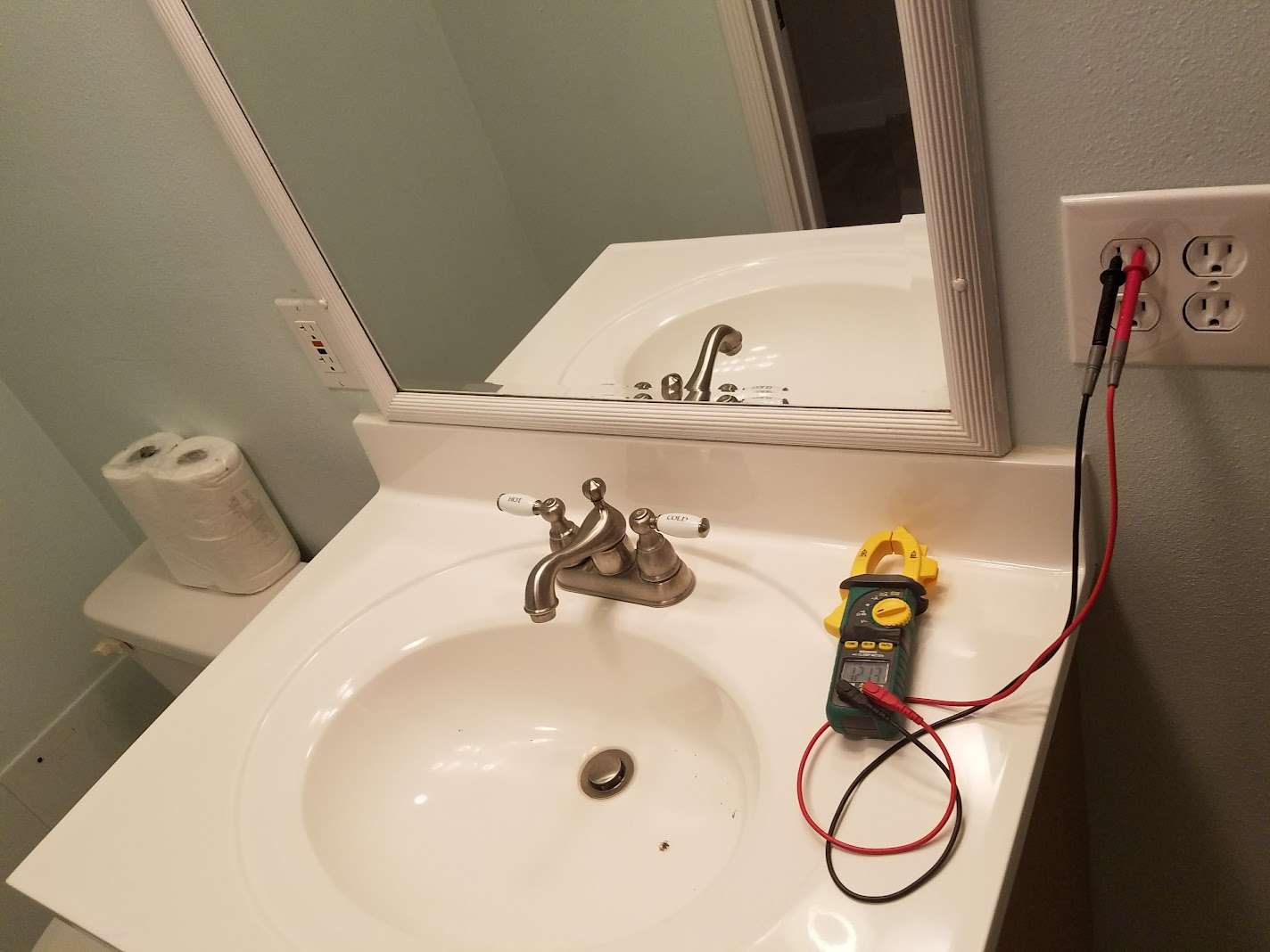
3. Outlets in Your Home Electrical System
You use your outlets every single day. Therefore, they’re your most direct link to your home electrical system. Making sure they meet current safety standards is very important.
Life-Saving Outlet Technologies
Ground Fault Circuit Interrupters (GFCIs): These outlets trip off when electricity leaks. Today, building codes require them in kitchens, bathrooms, basements, and outdoors. Most importantly, GFCIs quickly stop power before a deadly shock happens.
Tamper Resistant Receptacles (TRRs): These have spring-loaded shutters. They only open when you push both sides at once. Thus, they stop children from sticking objects like keys into the outlet. As a result, they prevent terrible burn injuries.
Need an Electrical Safety Inspection?
Does something in your West Central Minnesota home seem wrong? Do you’ve tripping breakers or old wiring? If so, Bright Haven Electric LLC can help. We provide professional safety inspections to keep your home safe and reliable.
Prevent Fires with AFCI Breakers
An Arc Fault Circuit Interrupter (AFCI) is one of the most important safety upgrades you can make to your electrical panel. Learn how they detect dangerous hidden faults and stop electrical fires before they start.
What Is an AFCI Breaker?
Arc Fault Circuit Interrupters (AFCIs) are specialized circuit breakers that serve as the advanced guard for your home’s electrical system. They provide an essential layer of protection against sparking or arcing faults that standard breakers can’t detect. While standard breakers shut off power if a circuit is overloaded, AFCI breakers are designed specifically to detect fire hazards.
How Does an AFCI Breaker Work?
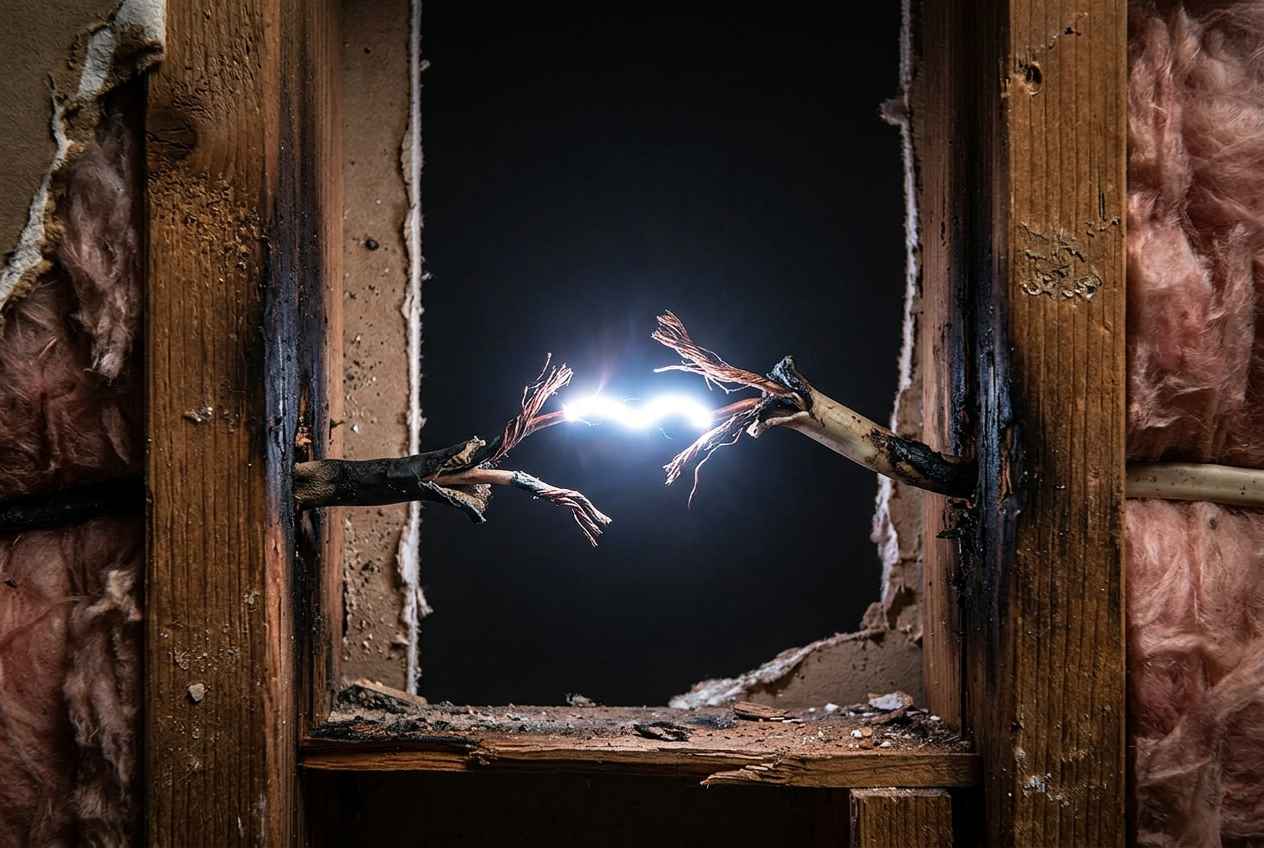
Think of an AFCI breaker as a tiny, highly sensitive computer constantly monitoring the electrical current in your home. An “arc fault” occurs when current flows along an unintended path – like jumping across a frayed wire, loose connection, or degraded insulation.
These arcs generate immense heat (exceeding 10,000°F) and are the leading cause of residential electrical fires. The AFCI instantly detects the unique electrical signature – sharp spikes and drops in voltage – of a dangerous arc and cuts the power within fractions of a second, stopping the fire hazard dead in its tracks.
AFCI vs. GFCI: What’s the Difference?
Many homeowners confuse AFCIs with GFCIs (Ground Fault Circuit Interrupters). While both protect you, their primary functions are very different:
AFCI (Fire Prevention)
Protects your home from electrical fires. Monitors the entire circuit for dangerous arcs caused by damaged wiring behind walls, loose connections, or compromised appliance cords.
GFCI (Shock Prevention)
Protects you from deadly electrocution. Required near water sources (kitchens, bathrooms, outdoors), it detects when electricity escapes its intended path and might pass through your body to the ground.
Pro Tip: You don’t have to choose between them! Dual Function AFCI/GFCI breakers are now standard, providing both fire hazard and electrocution protection in a single smart component.
Are AFCI Breakers Required?
Yes! Over the past two decades, the National Electrical Code (NEC) has aggressively expanded AFCI requirements. Today, nearly every habitable room in a new residential construction requires AFCI protection.
For older homes, there’s no law stating you must strictly upgrade your panel right this minute. However, local municipalities enforce AFCI updates when you’re adding new circuits, heavily modifying existing ones, or replacing your electrical panel. Even if an upgrade isn’t legally mandated for your older home, having an electrician install AFCI breakers is the single best investment you can make for your family’s safety.
What Happens if an AFCI Breaker Trips?
AFCI breakers are incredibly sensitive – which is precisely what you want from a life-saving device! If your AFCI breaker trips, here is what you should do:
- Unplug Everything: Turn off and unplug all devices connected to that circuit.
- Reset and Isolate: Reset the breaker and plug devices back in one at a time. This helps determine if an incompatible appliance (like an old vacuum or treadmill) is causing the issue.
- Inspect Your Cords: Check device cords and plugs for damage, crimps, or frays that might be causing an arc fault.
- Consider Overload: Ensure you aren’t simply demanding too much power from that specific circuit.
If the breaker continues to trip and your efforts come up empty, don’t ignore it or attempt to swap it out for a standard breaker! Call a licensed professional to find the hidden fault.
Upgrade Your Home’s Safety Today
Your family’s safety is our top priority. If you live in West Central Minnesota and want to upgrade your home with life-saving AFCI and dual-function breakers, trust Bright Haven Electric LLC for expert, code-compliant installations.
Is Your Electrical Panel Unsafe?
If you own an older West Central Minnesota home built before 1990, you might have one of these outdated main electric panels hiding in your basement or garage. They don’t just look old – they can be extremely dangerous fire hazards.
4 Dangerous Panels You Should Replace
Electrical panels contain safety devices (either fuses or circuit breakers) designed to trip and shut off power when too much electricity flows through them, preventing house fires. However, many older homes still rely on outdated panels that fail to operate as intended.
Here are four types of unsafe electrical panels you should consider replacing immediately if found in your home:
Federal Pacific Electric (FPE)
Popular from the 1950s to 1980s, these panels are notorious for breakers that fail to trip during short circuits or overloads. Even worse, FPE circuits in the “off” position may still send power, putting anyone working on them at risk of severe electrocution. Look for “Federal Pacific” or “Stab-Loc” printed inside.
Zinsco (GTE-Sylvania)
Commonly installed in the 1970s, Zinsco panels have a critical flaw: their circuit breakers can melt and permanently fuse to the main bus bar. Once melted, the breaker can never trip, allowing massive power surges to melt wires and start fires. If you see the names “Zinsco”, “GTE-Sylvania”, or “Sylvania”, get an inspection immediately.
Split-Bus Electrical Panels
Modern panels have a single main disconnect. Split-bus panels, last used over 40 years ago, have up to six “main” breakers controlling different buses. While not inherently flawed by design, they’re far past their expected lifespan, meaning breakers may stick. Plus, current electrical codes no longer permit multiple disconnects in this manner.
Modified Fuse Boxes
Fuses safely stop overloads by burning out, but modern domestic energy consumption easily overwhelms old fuse boxes. The real danger comes from homeowners who try to stop fuses from blowing – like plugging in too many appliances, installing oversized fuses (e.g., 20-amp instead of 15-amp), or placing a metal coin behind the fuse, completely removing any fire protection.
Don’t Take Chances With Your Safety
Is an outdated panel secretly threatening your family’s safety?
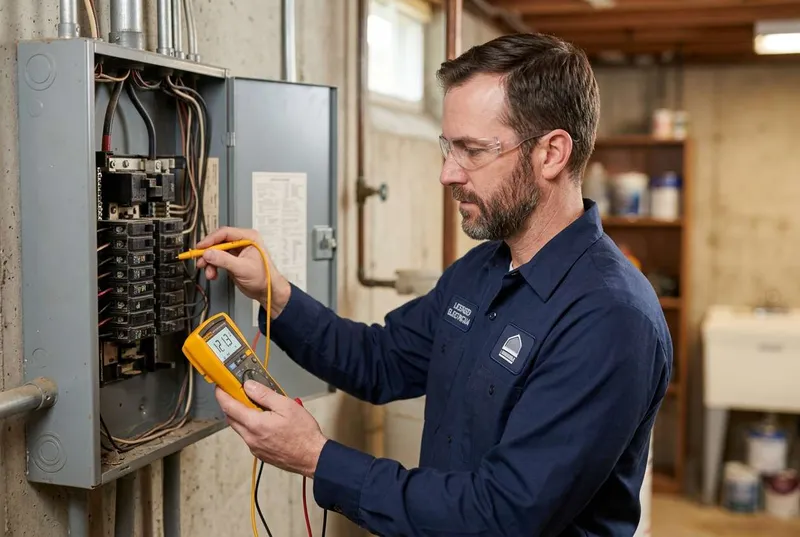
Get a Professional Inspection: If you spot an FPE, Zinsco, split-bus, or old fuse box in your home, don’t attempt to service it yourself. At the very least, you should have a licensed, professional electrician inspect the panel for signs of scorching, melting, or failure. A panel replacement is a small price compared to losing your home to an electrical fire.
Upgrade Your Home’s Electrical Panel
If you live in West Central Minnesota and suspect your home has an unsafe, outdated electrical panel, Bright Haven Electric LLC is here to help keep your family secure and your home up to code.