
Ready to upgrade your living room? TV wall mounting frees up space, looks sleek, and improves viewing angles. But before you start drilling holes in your drywall, review these 6 essential tips from professional electricians.
6 Crucial Considerations for Installation
Hanging a flat-screen isn’t as simple as driving a few screws with a drill. You need to account for sight lines, building materials, and electrical code compliance. Here is what you need to research before purchasing your TV bracket:
Choose Your Mount Bracket
A fixed or tilting mount will hold your TV close against the wall holding it securely in place while tilting down slightly – ideal for above a fireplace. An articulating mount features a retractable arm allowing you to pull the TV out and swivel it toward various seating areas.
Plan for Connected Devices
What needs to be connected? A cable box, Apple TV, soundbar, or gaming consoles like an Xbox or PlayStation? Knowing this dictates how many HDMI cables your installer needs to run through the wall during the project.
Determine Component Storage
Where will those devices live? If you want a clean aesthetic, you can house them in a media console below the screen, place them on floating shelves, or use hidden wireless boxes mounted behind the TV itself.
Determine Viewing Height
Comfort is key. You don’t sit in the front row of the movie theater staring straight up, so don’t subject yourself to neck strain at home. Finding the optimal height relative to your seating arrangement is crucial before mounting.
Acknowledge Your Wall Type
What’s your wall made of? Drywall on wood studs, metal studs, lath and plaster, solid brick, or stone? Your wall type dictates the necessary anchors and drill bits, and determines how easily wires can be hidden.
Don’t Violate Fire Codes!
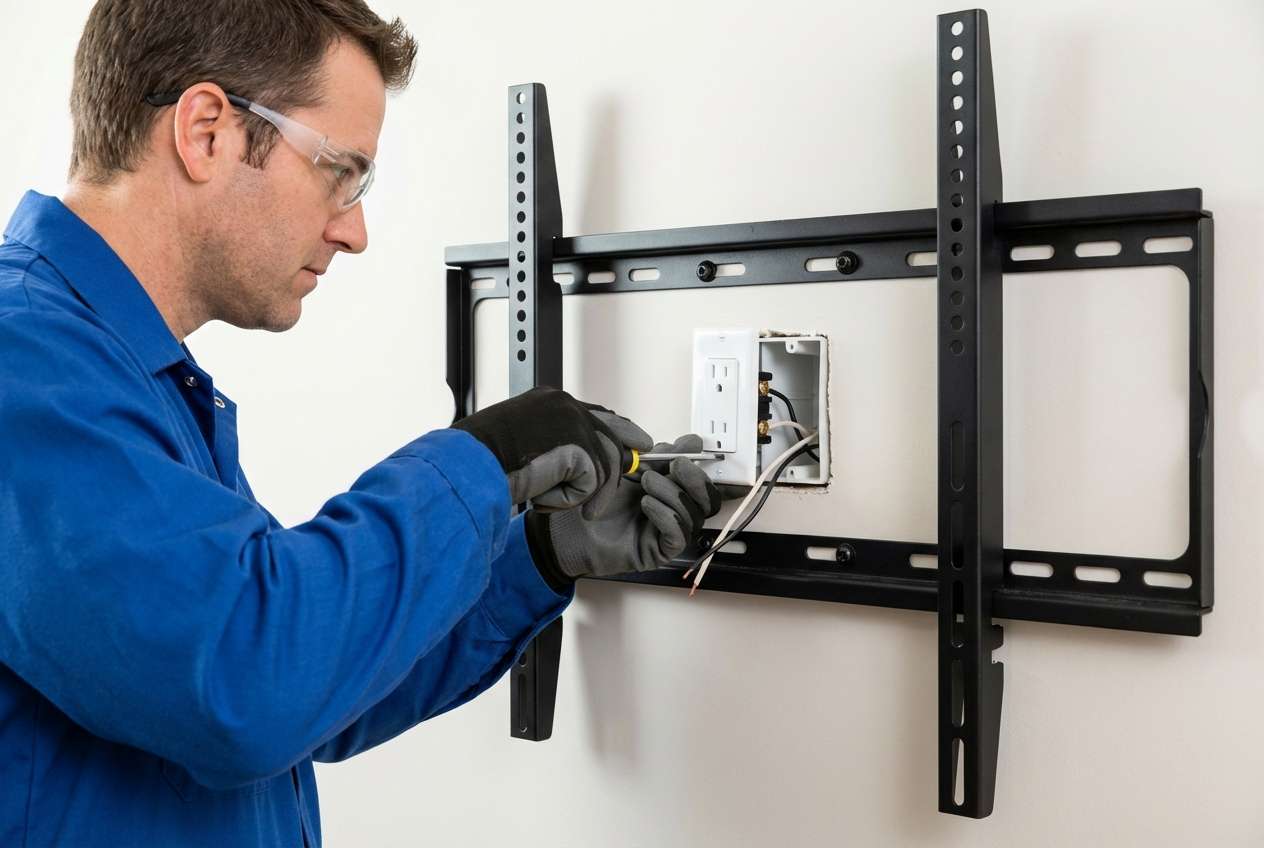
Fire code dictates that high-voltage power cords (like the plug that comes with your TV) CANNOT be run inside or behind walls. Doing so is a major fire hazard. Low-voltage data wires (like rated HDMI) can be hidden, but for power, you need to install a new recessed electrical outlet behind the screen.
The Hidden Danger of DIY Installations
Many DIYers make the mistake of dropping the factory TV power cord behind the drywall to hide it. This is a severe National Electrical Code (NEC) violation and a significant fire hazard due to the jacket not being rated for in-wall heat dissipation. If a fire starts in the wall cavity, your insurance company can deny the claim.
Instead, the safe and legal method is to hire a licensed electrician to run NM-B (Romex) cable within the wall and install a permitted, recessed code-compliant electrical outlet directly behind the mounting bracket.
What to Expect From a Professional Install
When you hire Bright Haven Electric LLC, we handle the heavy lifting, the mounting, the wiring, and the code compliance.
- The Right Cables: We recommend CL3-rated HDMI cables, which are approved for in-wall use without requiring a conduit. When calculating length, add your vertical drop, horizontal run, plus an extra 6 feet for slack.
- Electrical Assessment: If adding an outlet behind the TV, we’ll evaluate your breaker panel first to ensure you’ve sufficient capacity and the correct breakers.
- Clean Installation: Running cables horizontally across multiple studs requires cutting into sheetrock. As professionals, we minimize damage and can recommend trusted drywall contractors for seamless patching.
- Permitted Work: A typical clean installation of a mount, hidden wiring, and an additional outlet takes under 4 hours, and we handle the necessary electrical permits to protect your home’s value.
Ditch the Extension Cords
Get a clean, professional, and code-compliant TV installation. Let Bright Haven Electric hide those wires safely and securely so you can enjoy the view.
Security Lighting Protects Your Home
When it comes to keeping your family safe, there’s something powerful about professionally installed security lighting. From deterring break-ins to preventing accidents, here are five ways a well-lit home protects you.
Top 5 Benefits of Outdoor Lighting
Whether you’re considering ambient landscape illumination or bright motion-sensing floodlights, investing in outdoor lighting pays off. Our lighting experts at Bright Haven Electric LLC find that proper illumination consistently offers the following five benefits:
confidence and safety
There’s no substitute for feeling safe. confidence and safety is completely achievable when you’ve reliable lighting installed outdoors. No more hesitation when stepping out at night – just sit back, relax, and let your home take care of you.
Keep Unwanted Animals Away
Darkness invites pests. Unwanted animals can linger on your property, dig through trash, and even pose diseases like rabies. Bright lighting helps keep rabid raccoons, opossums, and predators far away from your property and outdoor pets.
Lower Insurance Premiums
Want a break on your homeowner’s insurance? Installing professional outdoor security lighting is a recognized safety improvement that can often make your premiums go down tremendously. Check with your agent about home security discounts!
Decrease Home-Based Injuries
A surprising number of slip and fall accidents happen right in our own driveways due to a lack of lighting. Especially during icy Minnesota winters, illuminated walkways, stairs, and porches will prevent painful accidents.
Stop Burglars in Their Tracks
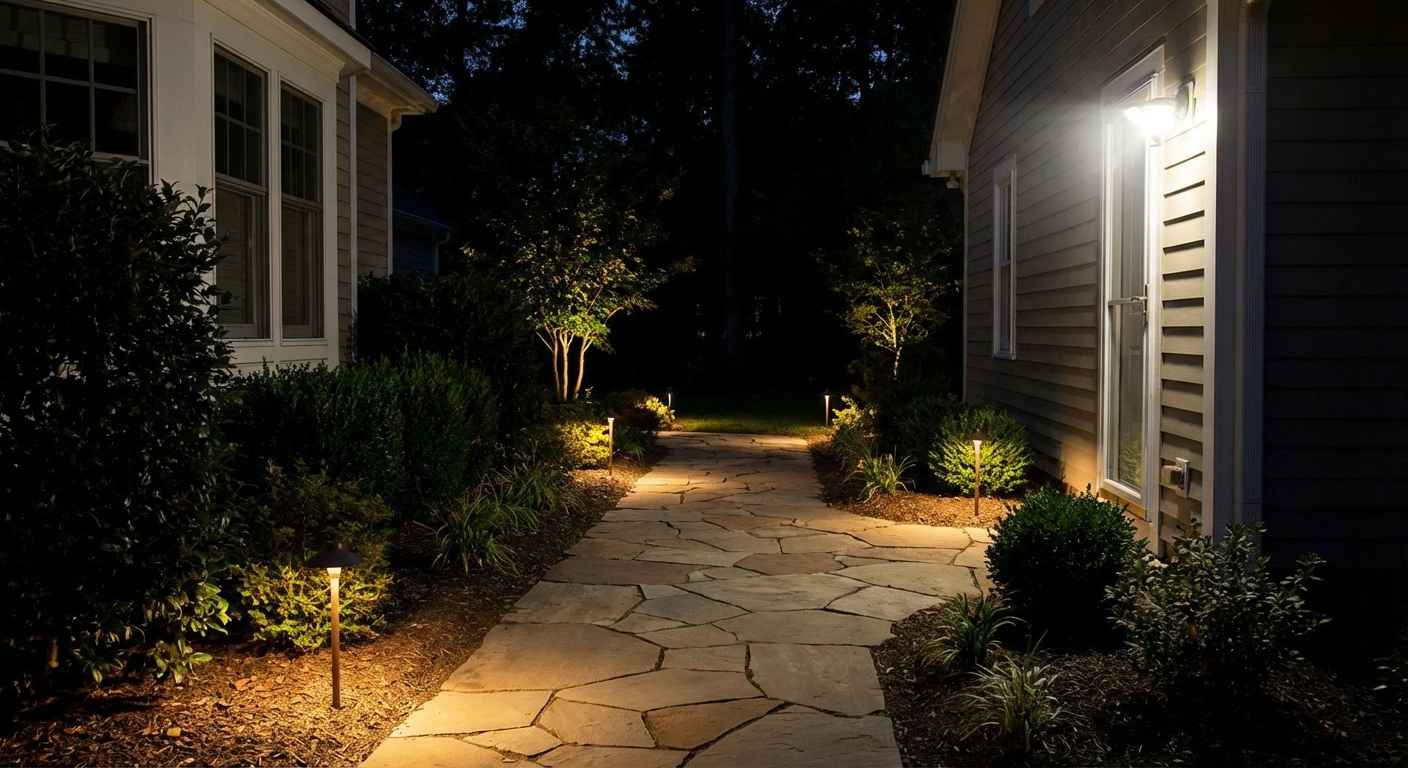
Proper lighting cuts the chances of your home being broken into. Most burglars look for hidden, shadowy paths on the sides and rear of homes. Motion sensors and timed lights remove their cover and force them to look elsewhere.
Placement is Everything
Buying high-quality fixtures is only half the battle. If a light is pointed incorrectly, it can blind you instead of helping, or leave dark spots right where intruders hide.
Professional Installation Matters: A security lighting strategy should be designed and installed by a professional lighting expert or licensed electrician. We ensure that your lights withstand the harsh weather year-round while perfectly illuminating the target zone.
Upgrade Your Home’s Security
You’ll be the first one on the block with a beautifully lit, expertly secured exterior. Stop guessing with DIY kits and let Bright Haven Electric provide reliable outdoor illumination.
7 Ideas to Reduce Energy Consumption
Whether you’re battling a freezing West Central Minnesota winter or a humid summer, your heating and cooling systems account for the bulk of your utility bills. Discover practical ways to reduce your energy consumption and keep your hard-earned money.
Perform an Energy Audit
An energy audit is an inspection of your home to shrink your utility bills by eliminating unnecessary usage. A simple DIY audit includes looking for air leaks around doors, checking insulation, and regularly changing HVAC filters. You can also hire a professional or ask your utility provider if they offer free audits.
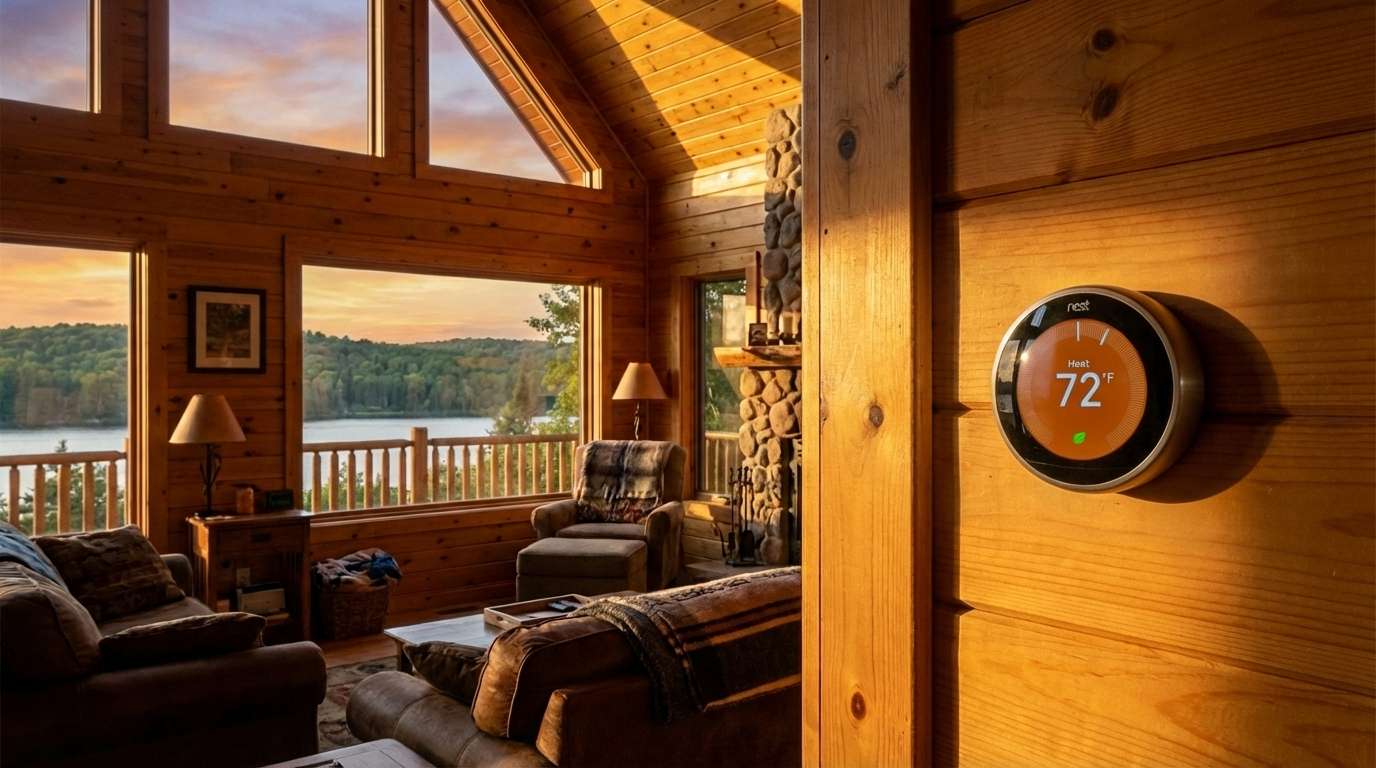
Install a Digital Thermostat
Why pay to heat an empty house? According to the Department of Energy, you can save 10-15% annually by reducing the temperature 10-15% for eight hours a day while you’re at work. A smart, programmable thermostat easily manages this schedule.
Caulk and Weatherstrip
Caulking and weatherstripping windows and doors is the easiest and cheapest way to reduce energy bills. By sealing cracks that let outside air in, you prevent your HVAC unit from working harder than necessary. Air sealing alone can reduce costs by 20%.
Improve Insulation
Adding extra insulation in your attic and exterior walls can reduce heating and cooling costs by up to 30%. While an attic can be insulated affordably on your own, injecting insulation into exterior walls usually requires a professional touch.
Check Utility Pricing Plans
You should always check with your current utility provider for alternative pricing plans. Many local cooperatives and providers offer “Off-Peak” or dual-fuel rates that provide massive discounts if you use energy during non-peak hours or switch to backup heating systems.
Switch to LED Lighting
If you’re still using incandescent or older CFL bulbs tucked away in a closet, it’s time to make the complete switch. Modern LED (light emitting diode) bulbs use substantially less energy and last significantly longer, driving down lighting costs.
Advanced Electrical Solutions with Bright Haven
Are you ready to take your energy savings and home resilience to the next level? Standard weatherstripping is just the beginning.
At Bright Haven Electric LLC, we specialize in advanced residential electrical solutions:
- Whole-Home Energy Monitors: We install devices that monitor your home’s energy consumption minute by minute, allowing you to pinpoint hungry appliances.
- Load Management & Off-Peak Systems: We integrate off-peak receivers for EV chargers and Steffes ETS electric thermal storage heaters to take advantage of low utility rates.
- Solar & Battery Integration: We install Service-Rated Automatic Transfer Switches (ATS) to smoothly manage power transitions between the utility grid, solar inverters, and home battery storage.
Take Control of Your Energy Bills
If you need a simple smart thermostat upgrade, a whole-home energy monitor, or a complex off-peak heating installation, Bright Haven Electric LLC is your West Central Minnesota partner for efficiency.
Upgrading 2-Prong Outlets
Thinking of swapping an old 2-wire outlet with a modern 3-prong receptacle? It seems like a simple task, but doing it incorrectly puts your family at risk of severe electric shock.
The Danger of the “Quick Fix”
Upgrading 2-prong outlets to a 3-prong outlet seems like a simple enough task. You just swap the outlet out, screw the plate back on, and voila-now you can plug your 3-wire appliances in, right?
This is a massive mistake. To understand why it’s so dangerous, you must understand what that third wire actually does.
What Does the Ground Wire Do?
When an appliance manufactured recently (within the last 20 years) has a 3-wire cord and plug installed on it, it means parts of that appliance could become energized – or contain residual energy – during or after operation.
The third wire (the ground) is there to bond those metallic parts of the appliance. If a short circuit occurs, the ground wire provides a safe path for the electricity to flow back to the panel, instantly tripping the breaker and cutting the power.
Electric Shock Effects
What happens if you continue to use a cheap 2-to-3 prong adapter (often called a “cheater plug”)? Or worse, what happens if you install an incorrectly wired 3-prong receptacle on a circuit with no ground wire?
If a short or fault occurs in the appliance, the electricity can’t find a safe path to the ground through its missing third wire. Instead, it will very likely try to find its ground path through your body.
This exact danger is the impetus as to why Ground Fault Circuit Interrupters (GFCIs) were invented.
The GFCI Solution
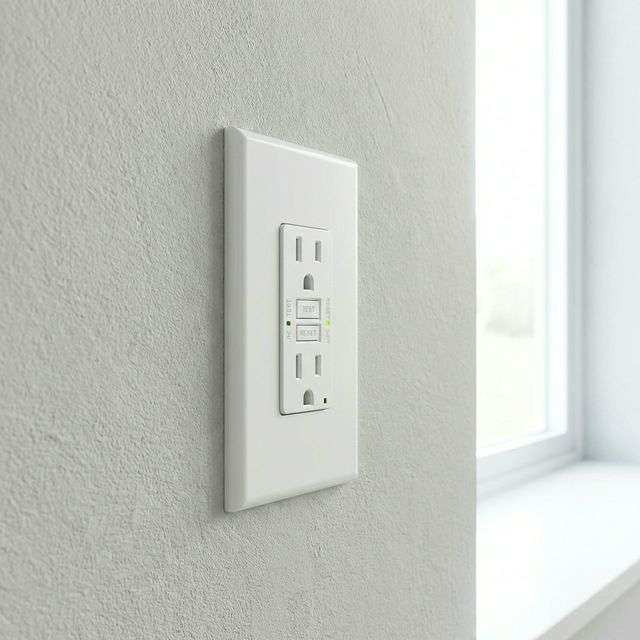
Even though there’s a dedicated ground path in modern homes, the National Electric Code (NEC) requires the additional “supplementary” protection provided by GFCIs in areas that may become wet (kitchens, bathrooms, garages, exteriors).
GFCI devices contain a differential current transformer. When the amount of current going out of the GFCI doesn’t perfectly equal the amount coming in, it detects a “leak.” Within milliseconds, it shuts off the circuit, preventing a lethal shock.
How to Perform a Safe Upgrade
This leads to the accepted workaround for upgrading from 2-prong to 3-prong outlets on an ungrounded system. You can perform the change legally and safely by installing a GFCI receptacle.
While the GFCI doesn’t create an actual copper ground wire, it provides a supplementary safeguard by tripping before a shock becomes lethal. Outlets using this method must be indicated with the blue stickers that come in the GFCI box, which read: “No Equipment Ground”.
The Ultimate Fix: Rewiring to Modern Standards
At Bright Haven Electric LLC, we strongly believe in doing things right the first time. We always recommend having any 2-wire circuit rerun back to the electrical panel with modern, grounded Romex wiring. Upgrading your electrical panel to handle these modern circuits ensures your home meets the current level of protection dictated by the National Electric Code.
Using a GFCI is a great band-aid, but having a true, physical copper ground wire at your outlets is the only way to ensure 100% safety for yourself, your family, and the sensitive electronic equipment that requires a grounded connection to function properly.
Outdated Outlets Putting You at Risk?
If your West Central Minnesota home is filled with 2-prong outlets, it’s time for an upgrade. Bright Haven Electric LLC specializes in whole-home rewiring and code corrections, bringing outdated systems up to modern safety standards.
West Central MN Winter Storm Prep
To truly prepare for winter storms in West Central Minnesota, stocking up on non-perishables isn’t enough. Many families slip up on these critical structural and electrical preparations required to keep safe and warm.

How to Prepare for Winter Storms: 7 Essential Home Tips
Run the Water Regularly
Your plumbing system is critical. Opening the faucet, even just a drip, provides relief from excessive pressure that comes with ice blockage and can prevent a burst pipe.
Don’t Forget the Pooch
Non-perishable food items and extra water should be automatic for people, but don’t forget your furry friends. Have extra pet food and necessary medications on hand.
Check Your Windows
Check for air leaks and insulate with a plastic film kit for extra heat retention, or install storm windows to stop the howling prairie wind.
Install a Backup Generator
When the grid fails, an automatic standby generator ensures the lights and heat stay on, immediately restoring safety and normalcy.
Reverse Your Ceiling Fan
Reversing the direction of your ceiling fan to turn clockwise pushes warm air downward, keeping you comfortable without constantly bumping up the thermostat.
Winterize Sprinklers
Before the ground freezes solid, winterize your sprinkler system by shutting off the supply and blowing compressed air through the lines.
Insulate the Attic
Reduce the risk of ice dams by minimizing heat escaping upward through your roof. Consider ice dam heat tape if you’ve poor roof geometry.
Essentials for an Emergency Preparedness Kit
Both FEMA and the Red Cross recommend every family have an emergency preparedness kit containing at least the following:
- Food & Water: Enough for at least 72 hours (1 gallon of water per person per day).
- Cash: ATMs and credit card machines won’t work during power outages.
- Warmth & Protection: A change of clothes & thermal blankets.
- Visibility: Flashlights and extra batteries.
- Health: First aid kit and strictly necessary medications.
Having a plan to follow will ensure you prepare for winter storms properly before the roads become impassable.
Prepare for Winter Storms with a Home Standby Generator
Automatic home backup generators turn on within seconds of a power outage and remain on until utility power returns. Generators help by:
- Keeping furnaces running to prevent frozen pipes and keep you warm.
- Keeping lights on so residents can navigate safely.
- Keeping refrigerators running so food and medication don’t spoil.
- Keeping the Internet active so you can work from home and monitor the storm radar.
- Keeping sump pumps working to reduce the risk of basement flooding during winter thaws.
Don’t Be Left in the Dark
Bright Haven Electric LLC installs the most reliable home backup generators on the market, giving homeowners across West Central Minnesota the safety and reliability needed to get through even the toughest winter storms. While you can’t predict the weather, you can prepare for it.
Is your home due for knob and tube replacement in Minnesota? If you’re dealing with an insurance or insulation deadline in West Central MN, discover how to correct it without destroying your home’s historic charm.
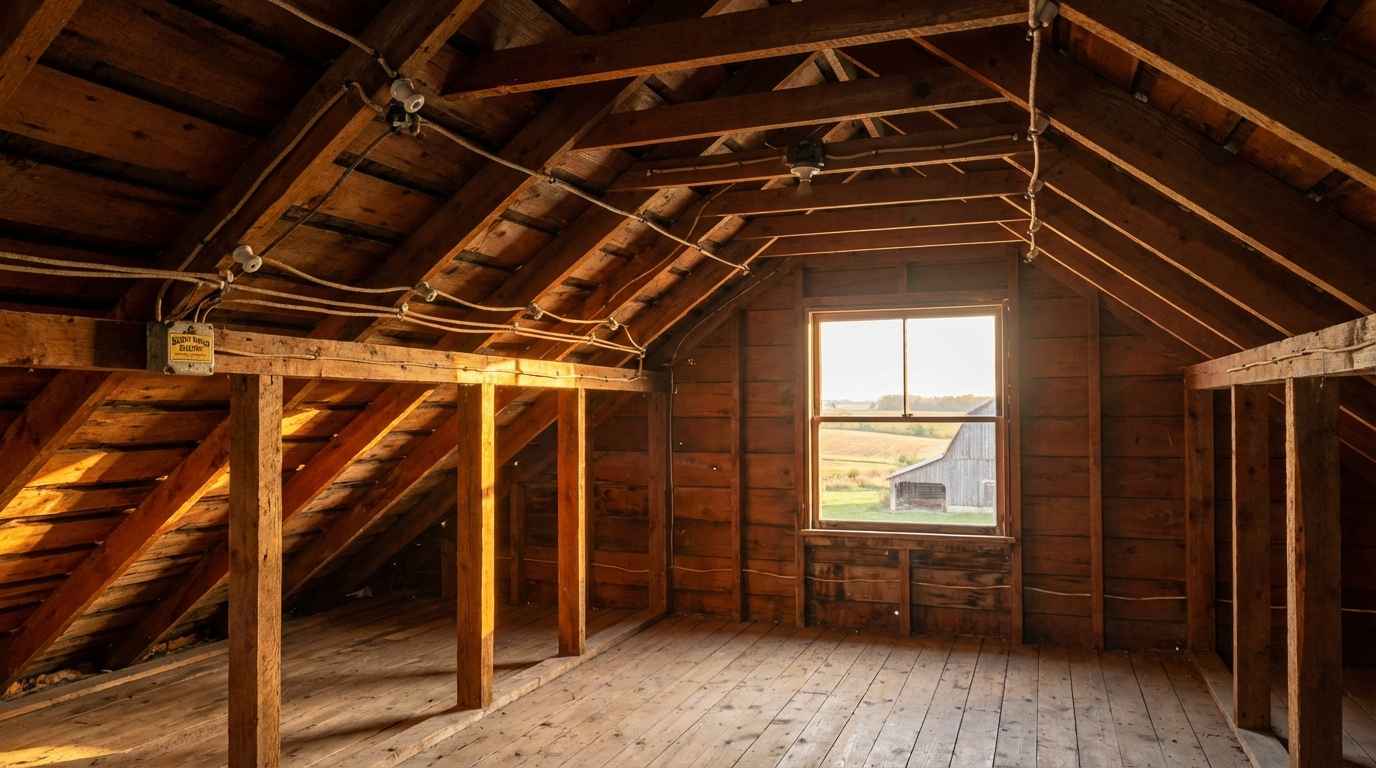
If you own a pre-1950s home in West Central Minnesota, you might be living with a hidden underwriting problem. Knob and Tube (K&T) wiring – common from the 1880s through the 1940s – is now one of the most frequent reasons we see policy non-renewals, bind-with-deadline riders, and insulation projects getting refused. Whether you’re buying a historic farmhouse or trying to renew, the message from carriers is increasingly simple: modernize it and document it.
We regularly handle K&T remediation and insurer documentation requests in Swift, Chippewa, Lac qui Parle, and Big Stone counties – especially around Appleton, Milan, Montevideo, Benson, and surrounding rural properties.
The Insurance Ultimatum
We see it weekly: a homeowner receives a letter requiring a “safety certification” or full removal of active K&T within 30 – 60 days. Carriers may “bind” coverage for a new home purchase, then attach a deadline rider that must be satisfied for coverage to continue.
Many insurers will bind coverage for a purchase but require remediation within a set timeframe. Missing the deadline can lead to cancellation or non-renewal.
Which Insurers Flag Knob & Tube in Minnesota?
Underwriting requirements change, and acceptance varies by product and risk profile – but multiple major and regional carriers commonly treat active knob-and-tube as an eligibility issue. In practice, homeowners most often call us after letters involving carriers such as State Farm, American Family, and local mutuals like Redwood County Mutual, Western Mutual, or Mid-Minnesota Mutual. When standard placement fails, the Minnesota FAIR Plan can sometimes provide temporary placement when standard carriers decline coverage – but unsafe wiring typically must be in active repair with a permit filed.
Underwriting is Documentation-Driven
Carriers don’t just want “it was fixed.” They want verifiable proof: scope, permit, inspection sign-off, and clear notes that K&T was removed or permanently de-energized.
Deadlines Are Real
Insurance riders often require action within 30 – 60 days. We plan scope early and document progress so you’re not stuck scrambling at the finish line.
Old Homes Get Extra Scrutiny
Homes built before 1920 – 1940 frequently trigger deeper underwriting review. The goal is to remove uncertainty with modern wiring and inspection proof.
Why Do Insurers Hate It?
Fire Risk
Cloth/rubber insulation becomes brittle over decades. Rodents, dust, and vibration can expose copper and increase arc risk.
No Equipment Ground
K&T typically has no grounding conductor. That affects shock safety and can create “false ground” issues with 3-prong outlets.
Insulation Trap (MN Problem)
K&T was designed to shed heat into open air. When buried under insulation, it can overheat – and that’s where code and insurers clamp down.
Code for Knob and Tube Replacement Minnesota: NEC 394
Minnesota follows the NEC 2023 statewide. Under NEC Article 394.12, knob-and-tube wiring can’t be used in wall/ceiling/attic spaces where it will be surrounded by loose, rolled, or foamed-in-place insulation.
This creates the catch-22: you want to air-seal and insulate to cut heating bills, but an insulation contractor sees active K&T and refuses the job. They’re right to refuse – burying energized K&T is a serious hazard.
Some homeowners ask if installing an AFCI breaker is enough. AFCI helps detect arcing, but it doesn’t add a ground wire and it doesn’t make it legal to bury K&T in insulation. Many insurers also won’t accept AFCI alone as a permanent resolution.
Original knob and tube is rated for only 60°C, but modern light fixtures and LEDs require wire rated for 90°C. Don’t swap fixtures yourself. Connecting modern fixtures directly to old K&T often melts the brittle insulation inside the box, creating an immediate fire hazard.
Do You Have to Remove Every Inch of Knob & Tube?
Not always. There isn’t always a blanket rule that forces physical removal of every legacy conductor in every situation. What typically forces action in Minnesota is energized K&T in prohibited or unsafe conditions – especially where insulation will cover it, where circuits were modified improperly, or where deterioration and unsafe splices exist. In plain English: active + insulated/altered/deteriorated is the problem.
Common Hidden Issue: 3-Prong Outlets With No Ground
This is one of the most common surprises in older homes: you see “modern” 3-prong outlets, but the circuit has no equipment grounding conductor. That can create a false sense of safety for homeowners and home inspectors.
Where a grounding conductor isn’t present, certain receptacle upgrades can be made safer using GFCI protection plus required labeling (e.g., “No Equipment Ground”) as part of a phased modernization plan. This isn’t a substitute for rewiring when K&T must be eliminated for insurance or insulation – but it’s a responsible way to reduce risk while you plan the full project.
Our Process for Knob and Tube Replacement Minnesota
The fear of “gutting the house” stops most people from acting. At Bright Haven Electric, we specialize in minimally invasive knob and tube replacement in Minnesota that respects plaster and preserves historic character. We differentiate with a lead-safe, white-glove process: using HEPA-filtered dust extraction to capture old plaster dust and Ram-board floor protection to safeguard your original hardwood.
The “Fishing” Process
Instead of tearing down walls, we use flexible drill bits and fish tape to pull modern wiring through existing cavities. We map routes, scope where needed, and focus on targeted access points to reduce patching.
Insurance-Ready Compliance Package™
Many contractors can “do the work.” The difference is whether the underwriter accepts it. We build the paperwork into the job so your agent has everything needed to clear the condition and keep your policy active.
- Scope of Work Letter: Clear statement of circuits addressed and K&T removed/de-energized.
- Electrical Permit: Filed with the State of MN (DLI).
- Inspection Sign-Off: Documentation from the electrical inspector.
- Photo Evidence: Helpful before/after documentation for underwriting clarity.
Financial Help for Rewiring (Yes, It Exists)
Because active K&T is a safety and habitability issue, some homeowners may qualify for assistance programs. Availability depends on household eligibility and location – but these options are worth checking before you give up.
- Minnesota Housing Rehabilitation Loans: Deferred or zero-interest options for qualifying households. In Swift County, contact the HRA in Benson (ask for Karly Meixel or Leanna Larson). In Chippewa County, contact the Prairie Five Community Action Council in Montevideo.
- MN Residential Electrical Panel Grant (Coming Soon): A new state grant offering up to $3,000 for panel upgrades is pending launch. Contact us to join the waitlist to be first in line when the $5.8M funding releases later this year.
- USDA Section 504 (Rural Repair): For eligible rural homeowners, grants (up to $10,000) and 1% loans are available to remove safety hazards.
Many preservation grants are aimed at nonprofits or public entities and aren’t typically available directly to individual homeowners. If your home is part of an eligible historic program, we can help you document electrical scope for the program administrator.
Before You Call Your Insurance Agent
If you’ve received a non-renewal notice, don’t panic. Most carriers simply want proof that the condition has been corrected. The faster we assess, scope, permit, and document the work, the easier the underwriting review becomes. Use our audit to show them you’ve a plan in motion.
FAQ: What Homeowners (and Agents) Ask Us Most
Yes. Many carriers treat active K&T as an underwriting eligibility issue or require remediation within a deadline rider. Requirements vary, but documentation is nearly always required.
Because energized K&T can’t be surrounded by insulation under NEC rules. Insulation contractors often require verification that wiring isn’t active, or they’ll require electrical remediation first.
Usually no. We use minimally invasive fishing techniques, planned routes, and targeted access points to reduce wall damage and preserve historic finishes.
Not necessarily. Older homes can have ungrounded circuits with 3-prong receptacles installed later. We can test and provide compliant safety upgrades (like GFCI protection + labeling) as part of a phased plan.
Don’t Let Old Wiring Risk Your Home
Get confidence and safety – and keep your coverage. We specialize in historic homes and electrical safety audit documentation across West Central Minnesota.
Book a Safety AuditThe 1970s Fire Hazard: Hidden in Your Walls
If your West Central MN home was built between 1965 and 1973, you’re likely living with a wiring system that’s 55 times more likely to reach fire hazard conditions than copper.
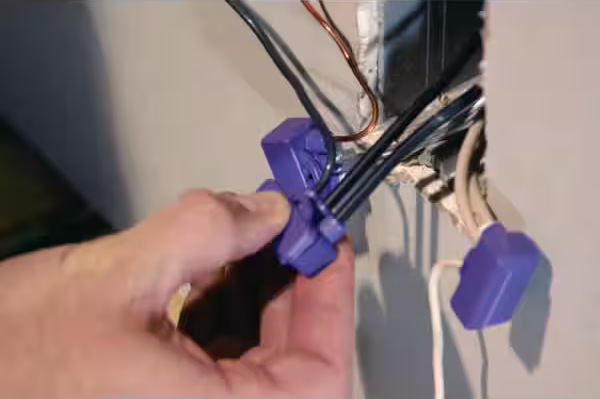
In the late 1960s, a global copper shortage forced builders in Milan, Appleton, and Montevideo to switch to aluminum wiring for general home circuits. It was an economic decision with a hidden metallurgical flaw. Today, providing Aluminum Wiring Remediation MN homeowners can trust is an essential service for safety and insurance compliance.
As these connections age and oxidize, they’re becoming a primary driver of electrical fires and insurance cancellations across the region. This isn’t just about old wires; it’s about metallurgy, physics, and liability.
The U.S. Consumer Product Safety Commission (CPSC) doesn’t mince words. Their research found that homes built before 1972 with aluminum wiring are 55 times more likely to have one or more outlet connections reach “fire hazard conditions.”
What’s a “fire hazard condition”? It’s defined as a receptacle cover screw exceeding 300°F (149°C), arcing, or charring the surrounding wood framing. This happens silently, inside your walls.
The Science of Aluminum Wiring Remediation MN
You might wonder: “My lights work fine. Why should I worry?” The answer lies in the coefficient of thermal expansion.
The “Cold Creep” Cycle
Aluminum expands 35% more than copper when heated. Every time you turn on a hair dryer or vacuum, the wire swells. When it cools, it shrinks. Over thousands of cycles, the wire actually “creeps” out from under the screw, creating a microscopic gap.
The Oxide Insulator
When that gap forms, oxygen enters. Aluminum instantly oxidizes, and aluminum oxide is an electrical insulator. This increases resistance, which generates heat (Joule’s Law), which causes more expansion. It’s a self-feeding failure loop.
The “Purple” Myth
Twist-on “Purple Wire Nuts” (Ideal 65) are NOT a permanent CPSC-approved solution. They rely on spring tension, which fails as the aluminum deforms. We find these melted in renovation projects constantly.
The Remediation Hierarchy: Band-Aid vs. Cure
Many homeowners ask, “Can’t I just replace the outlets?” Unfortunately, no. The issue extends to every splice hidden in junction boxes. A partial fix often voids your home insurance policy. Our Residential Upgrades team handles the complete scope, ensuring no connection is left behind.
We see three types of fixes in the wild. Only one makes sense for the modern homeowner who wants to sell their home or switch insurance carriers.
| Method | CPSC Status | Our Verdict |
|---|---|---|
| CO/ALR Device Swap Replacing outlets/switches only. |
Conditional | Band-Aid. It leaves all light fixtures and junction boxes untouched. “Incomplete repair” per CPSC staff. |
| Purple Wire Nuts Twist-on pigtailing. |
Not Approved | Dangerous. High failure rate in field tests. We reject this method entirely. |
| AlumiConn Retrofit Torque-set lug connectors. |
Approved | The Standard. Permanent, secure, and insurance-accepted. Cost-effective relative to rewiring. |
| Full Copper Rewire New Romex everywhere. |
Gold Standard | Best, but Pricing. The ultimate fix, but costs $15k-$25k and destroys drywall. |
The AlumiConn Protocol
This isn’t a DIY project. It’s a precision retrofit. We use AlumiConn lugs because they separate the aluminum from the copper, preventing galvanic corrosion. But the connector is only as good as the installation. This is the cornerstone of effective Aluminum Wiring Remediation MN residents rely on.
Torque Matters
We don’t guess. We use calibrated torque screwdrivers set to exactly 10-15 inch-pounds (depending on wire gauge). This “cold welds” the wire without crushing it.
Box Fill
Adding connectors takes up space. We calculate “box fill” for every device. If the old metal box is too small, we install box extensions to prevent wire crowding and short circuits.
Dielectric Seal
Every port is pre-filled with silicone sealant. This encapsulates the aluminum, cutting off the oxygen supply and stopping oxidation dead in its tracks.
Insurance Reality: “Ordinance and Law”
In Minnesota, insurance carriers are increasingly issuing non-renewal notices for homes with unremediated aluminum wiring. But there’s a silver lining in your policy.
The Non-Renewal Risk
Carriers in Willmar and Montevideo are auditing older policies. Without a “Certificate of Remediation” from a licensed master electrician, you risk being dropped or forced into a high-risk pool.
Ordinance Coverage
Policy ProtectionCheck your policy for “Ordinance and Law” coverage. Recent MN case law (Great Northwest v. Campbell) reinforces that if a covered loss (like a small fire) occurs, this rider helps pay to bring the undamaged portion of the system up to code.
We Open Every Box. Every Time.
Generic home inspections simply spot-check visible outlets. That’s dangerous gambling.
Our Aluminum Safety Audit is exhaustive. We open every switch, every outlet, and every accessible junction box to verify the connection integrity. We provide a signed, detailed report you can hand directly to your insurance agent.
Schedule Your AuditWhy Your 100-Amp Panel Can’t Handle the Future
The year 1978 called. It wants its fuse box back. Here is why the shift to electric vehicles and heat pumps makes a “Heavy Up” essential for modern Minnesota homes.
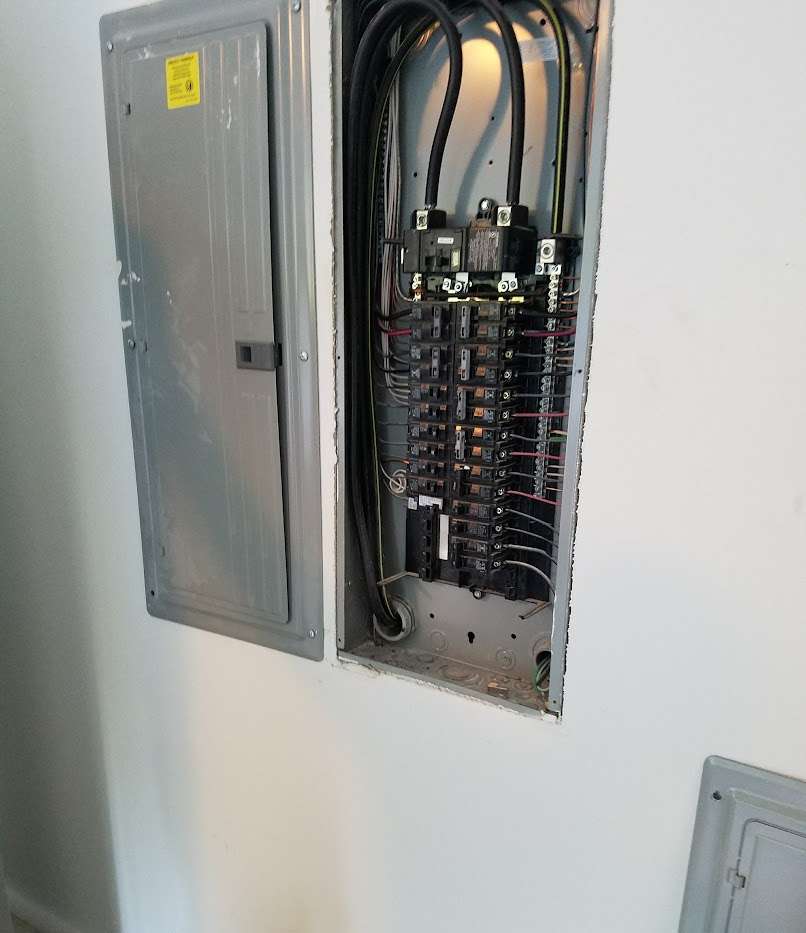
If you live in a home built before 2000 in Milan or Appleton, there’s a good chance your electrical panel is maxed out. Back then, homes were designed for a 120-volt lighting load and perhaps a single electric dryer. Today, the shift to carbon-neutral living – driven by EVs, heat pumps, and induction ranges – is overwhelming these legacy systems.
The Signs Your Panel is Struggling
You don’t need to be an electrician to spot a panel that’s over its head. These are the red flags:
The “A/C Dim”
Do kitchen lights flicker when the AC or fridge kicks on? That’s a severe voltage drop caused by a system running near capacity.
Warm Breakers
Put your hand on the plastic cover of your breakers. They should be cool. Heat means resistance, and resistance is a fire starter.
No Room to Grow
Old “split-bus” panels often lack physical slots for the modern AFCI/GFCI breakers required by code for new circuits.
100A vs. 200A: The Modern Standard
Think of electricity like water flowing through a pipe. A 200 Amp Service Upgrade isn’t just a bigger pipe – it’s a complete infrastructure overhaul.
The Old Way (100A)
Designed for gas appliances and minimal electronics. Often limited to ~19.2kW continuous load.
- Gas Range & Water Heater
- Standard 120V Outlets
- No EV Charging Capacity
The New Standard (200A)
Ready for electrification. Supports ~48kW peak, handling heavy simultaneous loads with ease.
- Level 2 EV Charger (11kW+)
- Electric Heat Pump & Backup
- Induction Stove & Hot Tub
Financial Architecture: Grants & Rebates (2026)
Upgrading is one of the most subsidized home improvements available. We help you stack these programs:
Otter Tail Power
$1,000 RebateFor panel upgrades that enable direct load control. Plus extra for heat pumps.
View ProgramMN State Grant
Up to $3,000Direct grant for income-qualified households (< 80% AMI) to modernized panels.
Check EligibilityFederal HEAR
$4,000 CreditFor electrical wiring/panel upgrades done in conjunction with heat pump installation.
Learn MoreSmart Alternatives & Compliance
The “Power Control System” (PCS) Option
Under 2026 NEC (Article 120), if a physical service upgrade is impossible (e.g., restricted underground access), we can install a smart PCS. This device monitors total energy use and dynamically “throttles” non-essential loads (like potential EV charging) to prevent main breaker trips, avoiding expensive trenching.
Is Your Home Ready for the Future?
Don’t wait for a breaker to melt. We guide you through the rebates and handle the permits.
Get a Free Estimate
The “Affinity Law” of Irrigation (And Why Your Meter Spins Too Fast in July)
VFDs aren’t just high-tech toys. They stop water hammer, cut electric bills in half, and let you sleep through a storm.
- The Money Part: Slowing your pump down 20% cuts power use by ~50%. It’s simple physics.
- The “Headache” Part: Stop blowing check valves. VFDs ramp up pressure slowly instead of slamming the pipes.
- Free Cash: Otter Tail and Agralite are handing out $40-$60/HP right now to upgrade.
- The 2AM Part: Add telemetry (AgSense/GroGuru) and clear a fault from your bed instead of driving to the field.
You know the sound. It’s 2:30 AM in late July. A thunderstorm just rolled through Benson, the corn is tasseling, and your phone buzzes. The pivot stopped. Again. It might be time to look into Irrigation VFD Upgrades to keep your pivots running (and you sleeping).
Around Milan, Appleton, and the gravel roads in between, irrigation season is a grind. Water tables fluctuate, end guns cycle on and off, and pressure needs change every time the pivot hits a corner.
And if you’re running that 60HP pump on an old-school starter? You’re either full throttle or off. That’s like driving your pickup with a brick on the gas pedal – hard on the transmission, hard on the tires, and brutal on the fuel tank.
At Bright Haven Electric, we specialize in agricultural electrical services up and down Hwy 59. Frankly, we’re tired of replacing burnt-out motors and blown risers in the mud. Whether it’s VFD installs or underground fault locating, we want your system running smooth. Here’s why the math makes upgrading a no-brainer.
Why Irrigation VFD Upgrades Save Money (The Cube Law)
Speed vs. Power
Power Drops Cubed (³).
Scientific talk aside: If you slow that pump down just 20% (running at 80% speed), your electric meter spins 50% slower. You move slightly less water, but at half the price per gallon.
Let’s look at a real 60 HP pump:
- Full Blast: Consumes ~45 kW. Meter spins fast.
- VFD Adjusted (80%): Consumes ~23 kW. Meter crawls.
- Savings: That’s roughly $1.50/hour back in your pocket (at current off-peak rates).
Run that pump for an 800-hour season? You just kept $1,200. On one pivot.
Cheap Insurance for Your Iron
No More Violent Starts
Old “bang-bang” starters hit your motor with 600% current instantly. It rattles the windings and shocks the shaft. A VFD ramps up like a dimmer switch – smooth and easy.
Save the Check Valve
Ever hear pipes shudder when a pump kicks off? That “water hammer” cracks PVC and blows gaskets. VFDs have a “Soft Stop” feature that lets the water settle gently.
Utility Rebates for Irrigation VFD Upgrades: 2025/2026 Programs
Rebates change, but local co-ops want you to reduce peak demand. Here is what we’re seeing in the field:
Otter Tail Power
$40 – $60 / HPMassive rebate. Often covers 20-30% of the hardware cost alone.
Agralite Electric
~$10 / HPGood incentive for irrigator upgrades. We handle the paperwork for you.
Runestone Electric
Call UsThey do custom rebates per project. We can call the engineer and get a hard number.
Telemetry: Stop Driving to the Field at 2 AM
Two common tech paths we see for remote monitoring:
AgSense
Machine Control. Start/stop, speed, direction, and pressure monitoring. Alerts you if the pivot gets stuck.
GroGuru
Agronomy Data. Soil moisture sensors and root zone monitoring. Tells you when to water.
Single-Phase Fields? No Problem.
If you only have single-phase power but need a big 3-phase motor, you’ve two options:
1. VFD Phase Conversion
Pros: Soft start + speed control + energy savings. Requires sizing the drive carefully (derating) for single-phase input.
2. Rotary Phase Converter
Pros: Good for running multiple motors. Cons: Less efficient, no speed control, more maintenance (bearings, noise).
Pre-Season Burnout Check
Before you fire up for the season, inspect your existing panel. Look for pitted contactors, heat-damaged lugs, and rodent nests. These are the #1 cause of mid-season failures.
Want a Straight Answer for Your Pivot?
If you reply with your Motor HP, Service Type (1-phase/3-phase), and Utility Provider, we can outline the most cost-effective VFD upgrade path for you.
Request an Irrigation QuoteServing West Central MN Ag Producers
It arrives in a standard white envelope. The logo in the corner belongs to the insurance company you’ve paid faithfully for decades. But the letter inside isn’t a bill – it’s a cancellation notice. The reason? “Ineligible electrical system.” For many homeowners, this is the wake-up call that forces an outdated panel replacement MN insurers are now mandating.
Across West Central Minnesota, from Appleton to Willmar, homeowners are waking up to a harsh reality: the electrical panel that ran their home for 40 years is now considered a liability. It’s not just about age; it’s about brand. Specifically, panels that have statistically proven they won’t trip when you need them to.
If you own a home built between 1950 and 1990, you might be living with a latent fire hazard. This editorial explores why outdated panel replacement in MN is the most critical safety upgrade you can make this year.
Insurance underwriting has changed. Panels over 40 years old are now automatically flagged by most carriers during inspection. Why? Because the lubricant inside breaker mechanisms dries out, conducting bars corrode, and modern loads (EVs, computers, A/C) exceed original design specs.
Why Outdated Panel Replacement in MN Adds Value
Beyond avoiding a fire, upgrading your panel is one of the smartest financial moves you can make before listing your home. Real estate data shows that buyers in 2025 are hyper-aware of electrical infrastructure:
The Financial Silver Lining
The good news? Because panel upgrades are now considered “electrification enablers,” there’s significant money on the table to help pay for them. In 2025-2026, Minnesota homeowners can access a stack of incentives:
The Hall of Shame: “Uninsurable” Panels
Not all old panels are created equal. Some are just tired; others are dangerous. If you see one of these names in your basement, your risk of fire is significantly higher than the national average.
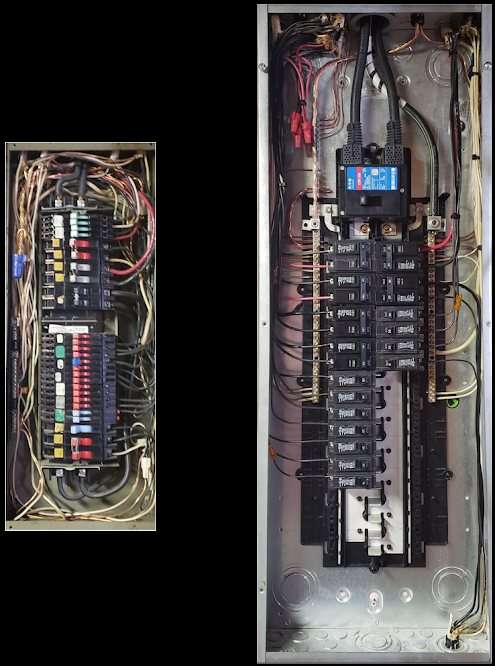
Improving safety and value: A messy, fire-hazard Zinsco panel (left) swapped for a clean, code-compliant Eaton installation (right).
The FPE Stab-Lok breaker is a dormant hazard. Stripped of its UL listing due to testing fraud, these breakers fail to trip up to 65% of the time. Note for Snowbirds: This system is still sold in Canada under the name Federal Pioneer. Just because you see it for sale North of the border doesn’t make it safe here. [Source: InspectAPedia]
Risk: Wires overheat and burn inside walls while the breaker stays “On.”
Zinsco breakers suffer from a critical design flaw: they often melt to the main bus bar. This loose connection creates hazardous arcing and can make it impossible to cut power, even if you manually flip the switch. [Source: InspectAPedia Hazard Report]
ID Tip: Look for colorful (red, blue, green) toggle switches.
Challenger panels were popular in the 80s and 90s, but their Type HAGF GFCI breakers were subject to a major recall due to overheating. While some parts are interchangeable with Eaton/Cutler-Hammer, the original Challenger bus architecture is often compromised. [Source: InspectAPedia: Challenger Recalls]
Risk: Overheating and failure to trip during ground faults.
Hidden Signs You Need Outdated Panel Replacement in MN
Even if you don’t have a “Hall of Shame” brand, your panel might simply be too old to rely on. Professional electricians look for these subtle age indicators that say “I’m past my expiration date”:
The 2026 Reality Checklist
The 2023 National Electrical Code (NEC), effective in MN as of July 1, 2023 [Source: MN DLI], has raised the bar for safety. When we perform an outdated panel replacement MN homeowners get more than just new breakers – they get modern protection:
Don’t Wait for the Letter
If you’ve an FPE or Zinsco panel, you’re already on borrowed time. Schedule a visual inspection today and protect your biggest investment.
Get A Panel Quote