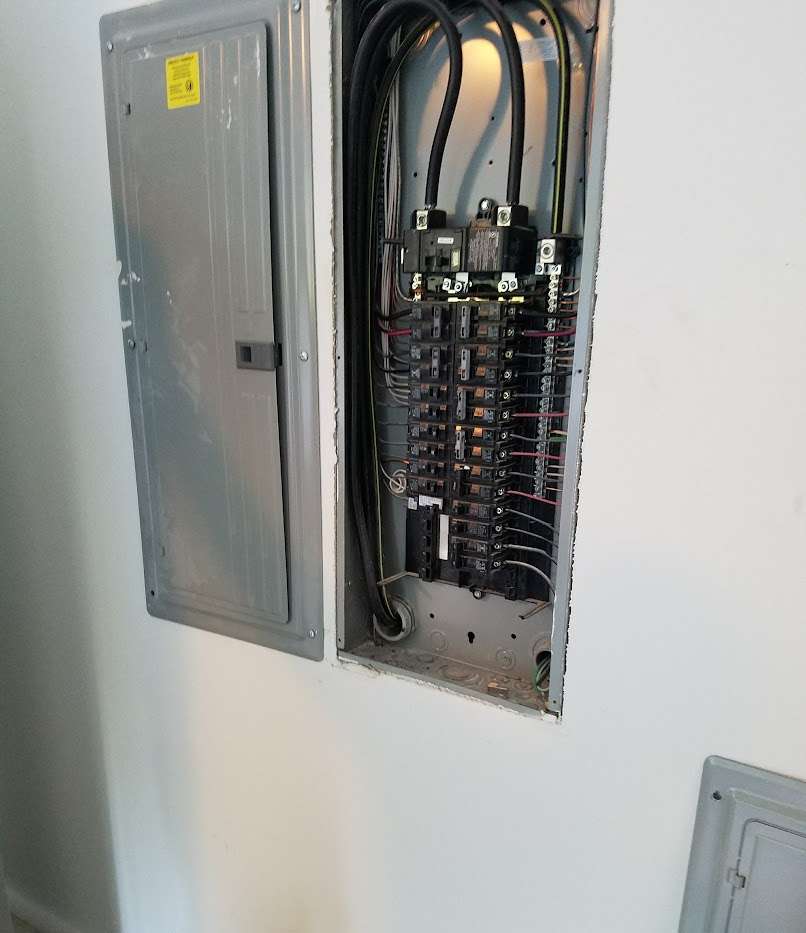
Out here, a winter outage isn't just an inconvenience. When the power goes out for a day in January, you lose the furnace blower, the well pump, the sump pump and whatever's in the freezer. A properly installed generator keeps those running, and keeps the line crew safe while they work.
Bright Haven Electric installs whole-home standby generators, including Generac and Kohler units, and sets up portable generator hookups for homes, farms and shops across west central Minnesota. We size the system, install the transfer equipment, pull the state permit and stay with the job through inspection.
- Standby generators with automatic transfer switches
- Portable generator inlets with a panel interlock or manual transfer switch
- Load calculations so the generator matches what you actually need to run
- State electrical permit and inspection on every install
- Based in Milan - Montevideo is about 20 minutes away
Standby or portable - which one fits?
A standby generator sits outside on a pad, runs on propane or natural gas, and starts on its own within seconds of an outage. An automatic transfer switch moves your house over to the generator and back again when utility power returns. It's the right choice if someone in the home depends on power for medical equipment, if you travel in winter, or if you simply don't want to think about it.
A portable generator hookup costs far less. We install a weatherproof inlet on the outside wall and an interlock kit or manual transfer switch at the panel. When the power goes out, you roll the generator out, plug in one cord and choose which circuits to run. It's a good fit for farms and homes that already own a decent portable generator.
Why the transfer equipment matters
Plugging a generator into a dryer outlet with a homemade double-male cord is how linemen get hurt. Power flows backward through your transformer and energizes the line they think is dead. The cord can also overheat, and the generator can be damaged when utility power comes back.
A transfer switch or listed interlock makes it physically impossible to connect the generator and the utility at the same time. Minnesota requires a permit and inspection for this work, and many co-ops and utilities ask to be told about permanently connected generators.
What happens on a generator job
1. Site visit and load list. We walk through what you want to run - furnace, well pump, sump, freezer, lights, maybe the whole house - and check your panel and service size.
2. Sizing and written estimate. We size the generator and transfer equipment to that load and give you the scope and price in writing.
3. Installation. We set the transfer switch, run the wiring and connect the generator. Your propane supplier or gas company handles the fuel line, and we coordinate the timing with them.
4. Inspection and walkthrough. After the state inspection we test a simulated outage with you and show you how everything works.