
 Chadwick Ferguson
Apr 26, 2026
Chadwick Ferguson
Apr 26, 2026
Why Are My Lights Flickering?
8 real causes – from a 10-second bulb fix to a failing service neutral that could burn your house down. Know when to fix it yourself and when to call a licensed electrician.
Flickering lights are one of the most common electrical complaints homeowners bring to us – and one of the most misunderstood. A light that flickers once when the AC kicks on isn’t the same problem as lights that dim across half your house during a windstorm. One is a minor nuisance. The other is a symptom of a life-threatening electrical failure happening right now inside your walls or at your service entrance.
The challenge is that flickering lights have at least eight distinct causes, and they range from a 10-second DIY fix (tighten a loose bulb) to an emergency that requires your utility company and a licensed electrician immediately. This guide walks you through every cause, shows you how to identify which one you’ve, and tells you exactly when it’s safe to fix it yourself – and when it isn’t.
If you’re experiencing flickering or dimming lights right now, start with the 3 emergency patterns below before reading the full guide. Some flickering patterns require immediate action.
The 8 Real Causes of Flickering Lights
We’ve organized these from simplest (fix it yourself in seconds) to most dangerous (call immediately). Each card tells you the cause, what you’ll see, and whether it’s a DIY fix or a job for a licensed electrician.
1. Loose or Wrong-Type Bulb
What you see: A single light flickers intermittently. Other lights in the room are fine. The fixture works normally with a different bulb.
Why it happens: The bulb isn’t fully seated in the socket, or you’re using an incompatible LED bulb in a fixture designed for incandescent. Some cheap LED bulbs also flicker at the end of their lifespan due to failing driver circuits.
The fix: Turn the light off, let the bulb cool, and tighten it. If it’s an LED, try a different brand – look for “dimmable” or “flicker-free” on the packaging.
2. Dimmer Switch Incompatibility
What you see: LED bulbs flicker constantly or buzz when connected to a dimmer switch. The flickering may change intensity as you adjust the dimmer.
Why it happens: Older dimmer switches were designed for incandescent bulbs and use a technology called TRIAC dimming. Many LED bulbs require a different dimming method. When the dimmer and bulb are incompatible, the LED driver can’t maintain a stable output and the bulb flickers or strobes.
The fix: Replace the dimmer with an LED-compatible dimmer switch. Check the LED manufacturer’s compatibility list. This is a straightforward swap if you’re comfortable working with switches – otherwise call a pro.
3. Overloaded Circuit
What you see: Lights dim briefly when a high-draw appliance turns on – a space heater, hair dryer, microwave, or window AC unit. The dimming lasts 1 – 2 seconds and then the lights return to normal.
Why it happens: The appliance draws a large inrush current when its motor or heating element starts. If the appliance shares a circuit with the lights, the sudden current draw causes a brief voltage drop on that circuit, and the lights dim momentarily.
The fix: Occasional, brief dimming on the same circuit as a large appliance is usually normal. However, if the dimming is severe, affects other circuits, or the breaker trips, the circuit is overloaded. A licensed electrician can install a dedicated circuit for the high-draw appliance.
4. Loose Wiring at Outlet or Fixture
What you see: A specific light fixture or outlet flickers, buzzes, or works intermittently. The problem seems localized to one point. Jiggling the fixture or outlet may change the flickering.
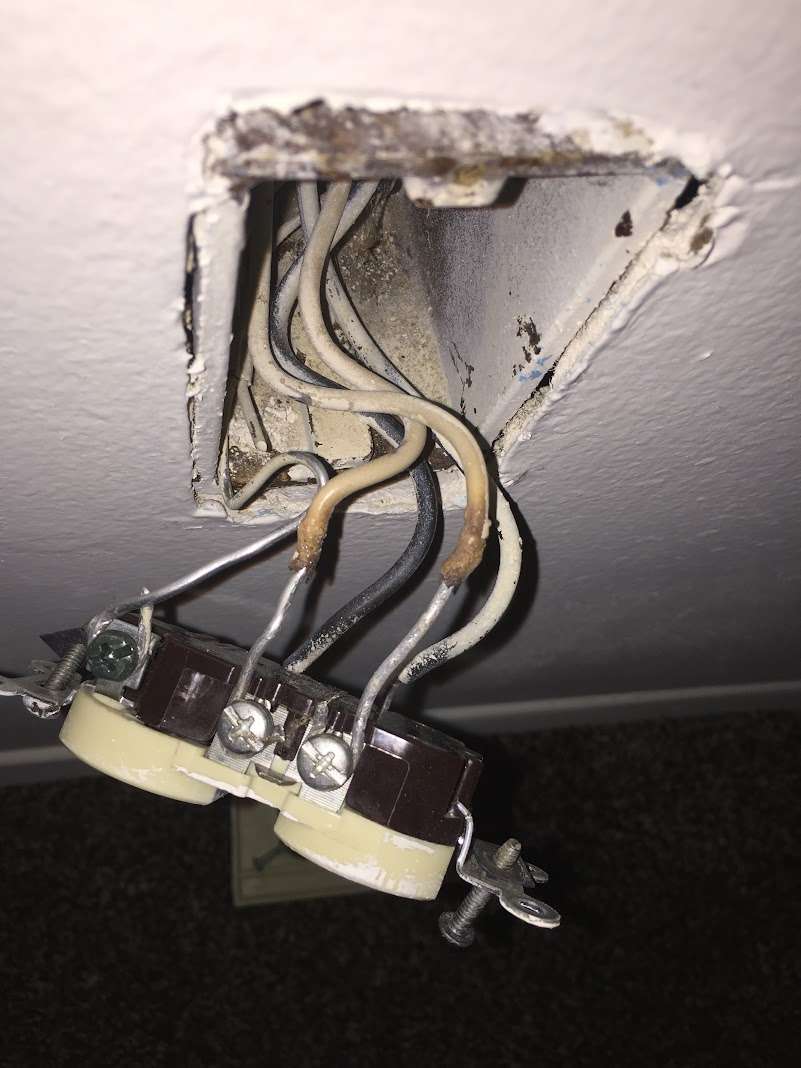
Why it happens: A wire connection inside the outlet box, switch box, or light fixture junction box has come loose. Loose connections create high-resistance points where electricity arcs across the gap. This generates heat and is a leading cause of electrical fires.
The fix: Don’t ignore this. A loose connection that arcs is a fire hazard. Call a licensed electrician to open the box, identify the loose connection, and re-terminate it properly. This isn’t a DIY repair – live wiring is involved.
5. Aluminum Wiring Connections Oxidizing
What you see: Lights flicker in multiple rooms, often worsening over months or years. Outlets feel warm. Switches make crackling sounds. The home was built between 1965 and 1975.
Why it happens: Homes wired with aluminum branch circuit wiring develop oxide buildup at every connection point. Aluminum expands and contracts more than copper with each heating cycle, loosening connections over time. The oxide layer increases resistance, which generates more heat, which loosens connections further – a progressive failure cycle that ends in fire.
The fix: A licensed electrician performs aluminum wiring remediation – installing AlumiConn connectors or COPALUM crimps at every connection point in the home. This is a multi-day project but eliminates the failure mechanism entirely.
6. Failing Circuit Breaker
What you see: Lights on one circuit flicker or dim repeatedly. The breaker may trip occasionally – or it may be warm to the touch. The flickering has gotten worse over time.
Why it happens: Circuit breakers have a finite lifespan. Internal contacts wear out, springs weaken, and the breaker loses its ability to maintain a solid connection with the bus bar. A breaker that’s loose in its bus slot or has corroded contacts creates an intermittent connection – the lights flicker as the circuit makes and breaks contact. See our guide to dangerous electrical panel warning signs.
The fix: A licensed electrician replaces the failing breaker and inspects the bus bar for damage. If the panel is a recalled brand, full panel replacement may be necessary.
7. Loose Service Entrance Neutral
What you see: Lights throughout the house flicker, dim, or surge – some getting brighter while others dim simultaneously. The flickering may worsen during wind or storms. Light bulbs burn out frequently. Electronics malfunction or die prematurely.
Why it happens: The neutral conductor at your service entrance (the connection between your panel and the utility transformer) has come loose or corroded. This causes an imbalanced voltage between the two 120V legs of your home’s electrical system. One leg gets over-voltage (lights get brighter, electronics fry) while the other gets under-voltage (lights dim). This is called a floating neutral or open neutral – and it’s an emergency.
The fix: Call your utility company AND a licensed electrician immediately. A floating neutral can send 180V+ through circuits designed for 120V, destroying appliances and creating extreme fire risk. Don’t wait.
8. Utility-Side Voltage Fluctuation
What you see: All lights in the house flicker simultaneously and briefly – usually for a fraction of a second. It happens at random, sometimes multiple times a day, sometimes weeks apart. Your neighbors may experience the same thing.
Why it happens: The utility’s transformer, distribution lines, or switching equipment is experiencing load fluctuations, tree contact, or equipment degradation. Storms, ice loading, and high-demand periods can exacerbate utility-side voltage sags. In rural West Central Minnesota, long distribution runs to remote properties are especially susceptible.
The fix: Report the issue to your electric cooperative or utility. If it persists, a whole-house surge protector will protect your electronics from voltage transients, and a power conditioning system can stabilize the voltage entering your home.
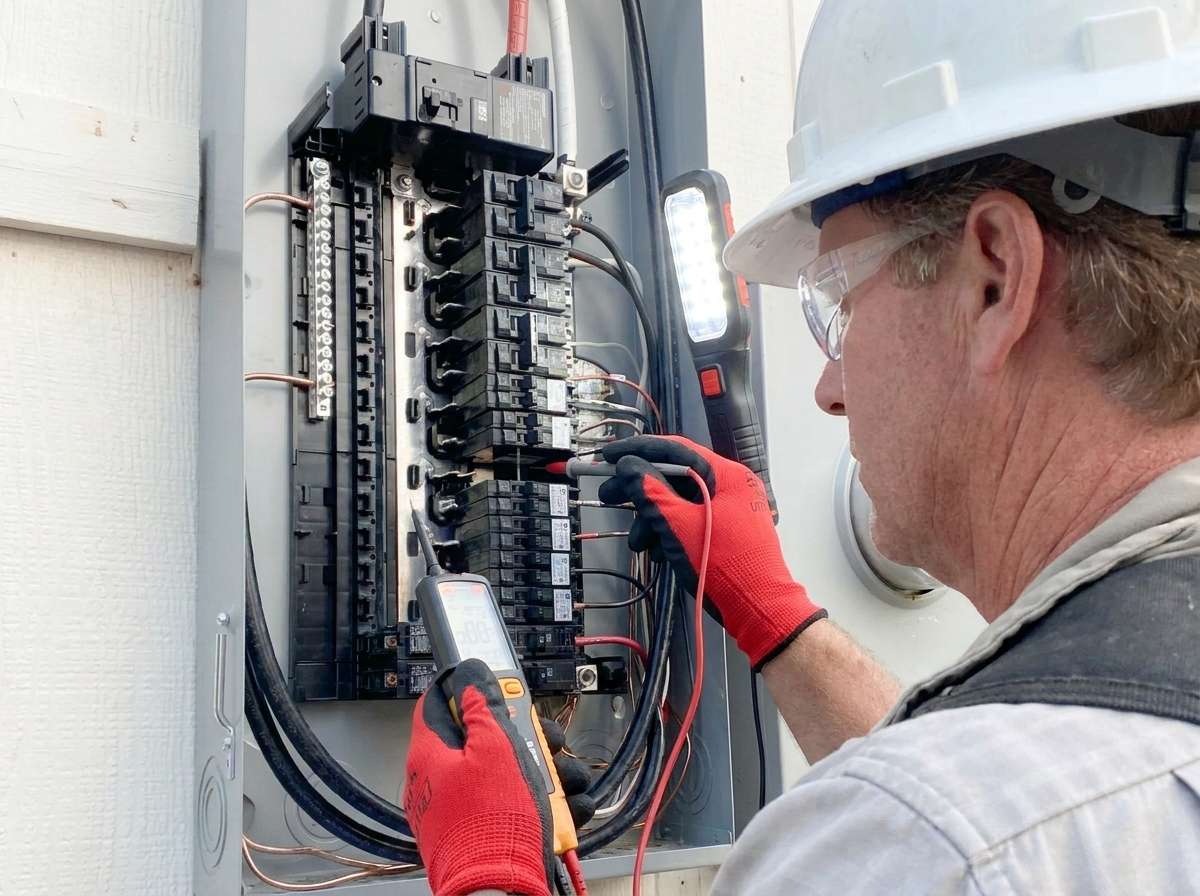
3 Flickering Patterns That Mean Call an Electrician NOW
- Lights dim AND brighten simultaneously in different rooms – This is the signature of a loose or open service neutral. Some circuits get over-voltage while others get under-voltage. Electronics are being damaged in real time. Call your utility company and a licensed electrician immediately
- Flickering accompanied by a burning smell, buzzing, or warm outlets/switches – These are signs of active arcing at a connection point. Arcing generates temperatures exceeding 10,000°F at the arc site – hot enough to ignite wood framing and insulation inside your walls. Turn off the affected circuit at the breaker panel and call a licensed electrician
- Flickering that’s getting progressively worse over weeks or months – Progressive flickering indicates a connection that’s deteriorating over time – typically aluminum wiring oxidation, a corroding bus bar connection, or a failing neutral. This won’t fix itself. It will continue to degrade until it causes a fire or equipment failure. Schedule an electrical safety inspection as soon as possible
What to Check First: Diagnostic Flowchart
Before you call an electrician, you can narrow down the cause significantly by answering a few questions. This diagnostic sequence is what we walk through on every flickering-lights service call:
- Is it one fixture or multiple?
If only one light flickers, the problem is local – check the bulb, the fixture, or the switch controlling it (Causes 1 – 2). If multiple lights flicker, skip to Step 3
- Does it happen on a dimmer?
If the flickering fixture is on a dimmer switch, replace the dimmer with an LED-compatible model before calling an electrician. This solves the majority of single-fixture flickering complaints (Cause 2)
- Does it happen when an appliance turns on?
If lights dim briefly when the AC, heater, or microwave starts – and only on the same circuit – this is likely an overloaded circuit (Cause 3). If the dimming affects lights on other circuits, the issue is at your panel or service entrance (Causes 6 – 7)
- Is it one circuit or the whole house?
If flickering is limited to one breaker’s circuit, the problem is a loose connection on that circuit or a failing breaker (Causes 4, 6). If the flickering is house-wide, go to Step 5
- Do some lights get brighter while others get dimmer?
This is the critical question. If yes – stop diagnosing and call your utility company and an electrician immediately. You’ve a loose or open neutral (Cause 7). If all lights flicker uniformly, it’s likely a utility-side issue (Cause 8)
- Was the home built between 1965 and 1975?
If yes, and you’re experiencing multi-room flickering, warm outlets, or crackling switches, you may have aluminum branch circuit wiring that’s oxidizing at connection points (Cause 5). This requires professional evaluation
“The call I dread most is the loose neutral. By the time the homeowner notices lights surging and dimming, the imbalanced voltage has already been cooking their electronics and appliances for hours or days. I have seen $15,000 in appliance damage from a single corroded neutral connection at the weatherhead. That’s why I tell people: if lights get brighter and dimmer at the same time in different rooms, don’t Google it – call your utility and call us. Right now.” – Chadwick Ferguson, Master Electrician & Co-Owner, Bright Haven Electric LLC
Related Guides
Flickering lights often lead to deeper electrical issues. These companion guides cover the most common next steps:
- Is Your Electrical Panel Dangerous? 7 Warning Signs – If your breaker is the cause, this guide covers recalled brands and when to replace your panel
- How to Reset a GFCI Outlet & Tripped Breaker – If flickering is accompanied by tripped breakers or dead outlets
- Aluminum Wiring Remediation Safety Guide – If your home was built in the late 1960s – 70s and has aluminum branch circuits
- Whole-Home Surge Protection Guide – If utility-side voltage fluctuations are damaging your electronics
- Circuit Breaker Tripping: Overloads & Short Circuits – If your flickering lights are accompanied by breaker trips
- Home Electrical Safety Inspection – A 72-point professional inspection to identify the root cause of persistent flickering and other hidden issues
- Zero-Cost Ways to Save on Electricity – If overloaded circuits are causing flickering, these load-reduction strategies can help while you plan upgrades
Flickering Light Troubleshooting Across West Central Minnesota
Bright Haven Electric LLC diagnoses and repairs flickering lights, loose connections, panel failures, and service entrance problems across our 10-county service area. From aluminum wiring remediation in 1970s farmhouses to loose neutral repairs on rural lake properties – we’ve seen and fixed every cause on this list.
We serve homeowners throughout our 10-county service area including:
Flickering Lights FAQ
Below are the most common questions we receive about flickering and dimming lights from homeowners across West Central Minnesota.
Yes. Flickering lights caused by loose wiring connections, aluminum wiring oxidation, or failing breakers indicate active arcing or high-resistance faults – both of which generate extreme heat at the fault point. Arcing temperatures can exceed 10,000°F, which is hot enough to ignite wood framing and insulation inside your walls. If your flickering is accompanied by a burning smell, warm outlets, buzzing sounds, or is getting progressively worse, it’s a fire hazard that requires immediate professional evaluation. Not all flickering is dangerous – a loose bulb or dimmer incompatibility is harmless – but you must identify the cause to know the difference.
When your AC compressor starts, it draws a large inrush current – typically 3 – 5 times its running amperage – for a fraction of a second. This sudden current draw causes a brief voltage drop on the circuit (and sometimes on the entire panel), which makes lights dim momentarily. A brief, slight dim (less than 1 second) when a large motor starts is generally normal and not a safety concern. However, if the dimming is severe (lights visibly drop in brightness), prolonged (more than 1 – 2 seconds), or affects lights on other circuits, your panel may be undersized, the circuit may be overloaded, or there may be a loose connection at the panel. A licensed electrician can evaluate whether a dedicated circuit or panel upgrade is needed.
Your home’s electrical system is fed by two 120-volt “legs” that share a common neutral conductor. The neutral keeps both legs balanced at 120V. When the neutral connection becomes loose or breaks (at the meter base, weatherhead, or panel), the voltage between the two legs becomes unbalanced. One leg may rise to 150V, 180V, or higher while the other drops proportionally. This is called a floating neutral or open neutral. The result: lights on one circuit get dangerously bright while lights on the other circuit dim. Appliances and electronics connected to the over-voltage leg can be destroyed instantly. A floating neutral is an emergency – it can cause thousands of dollars in appliance damage and create a severe fire risk. If you see lights getting brighter and dimmer simultaneously in different rooms, call your utility company and a licensed electrician immediately.
Brief, uniform flickering during storms is usually caused by utility-side events – tree branches contacting power lines, wind-induced conductor slap, or switching operations as the utility manages load. This is common in rural areas like West Central Minnesota where overhead distribution lines run through wooded corridors. While storm-related flickering is generally not a sign of a problem inside your home, it does indicate that your electrical system is experiencing voltage transients. A whole-house surge protector is strongly recommended to protect your appliances and electronics from storm-induced surges. However, if the flickering is severe, causes lights to brighten in some rooms while dimming in others, or continues after the storm passes, the storm may have damaged your service entrance or loosened your neutral connection – which requires immediate professional evaluation.
Aluminum branch circuit wiring was widely used in homes built between approximately 1965 and 1975 due to a copper shortage. You can identify it by checking the wiring at your electrical panel (if the dead front is removed by a licensed electrician) or at an outlet or switch (with the breaker off). Aluminum wire is silver-colored, while copper is orange or brown. The wire jacket may also be printed with “AL” or “ALUMINUM.” If you’re unsure, a licensed electrician can confirm whether your home has aluminum wiring during an electrical safety inspection. Aluminum wiring isn’t inherently dangerous – but the connections where aluminum meets copper devices must be properly remediated with AlumiConn connectors or COPALUM crimps to prevent oxidation, overheating, and fire.
It depends on the cause. Call your utility company if: the flickering is house-wide, uniform, and your neighbors are experiencing the same issue – this suggests a utility-side problem. Call a licensed electrician if: the flickering is limited to certain rooms or circuits, is accompanied by burning smells or warm outlets, or involves some lights getting brighter while others dim. Call both if you suspect a loose neutral – this can involve a failure at the utility’s meter connection or at your service entrance, and both the utility and an electrician may need to work together to resolve it. When in doubt, start by calling a licensed electrician – we can determine whether the problem is on your side or the utility’s side and coordinate accordingly.
Bright Haven Electric – Safety-First Electrical Work
Licensed, insured, and safety-trained electrical services across West Central Minnesota.
Stop Guessing. Get Answers.
Flickering lights have eight causes – but only one matters: yours. A diagnostic service call gives you a definitive answer and a clear path forward. No guessing, no Googling, no hoping it goes away.
Chadwick Ferguson
Chadwick Ferguson is the owner and licensed Master Electrician behind Bright Haven Electric LLC, serving West Central Minnesota from his base in Milan, MN. With deep expertise in residential, commercial, and agricultural electrical systems, he specializes in modern energy solutions including Level 2 EV charger installations, automatic standby generators, and comprehensive electrical panel upgrades.
Chadwick is committed to providing safe, code-compliant, and reliable electrical work to his rural Minnesota community. As the author of the BHElectric blog, he shares practical insights and expert guidance to help homeowners and businesses navigate the complexities of their electrical systems.