
21 Zero-Cost Ways to Save Electricity in Minnesota | Bright Haven Electric
 Chadwick Ferguson
Mar 17, 2026
Chadwick Ferguson
Mar 17, 2026
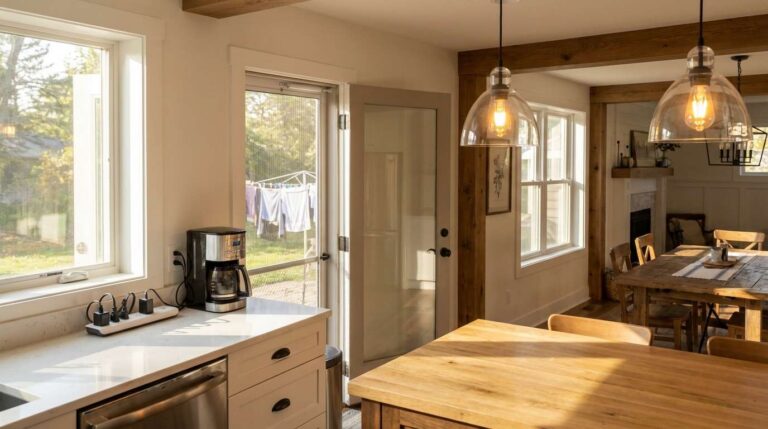
21 Zero-Cost Ways to Save Electricity
You don’t need expensive upgrades or new equipment to lower your electric bill. These simple habit changes cost nothing, take almost no effort, and can save your household $500 or more every year.
The average American household spends about $1,500 per year on electricity according to the U.S. Energy Information Administration. For Minnesota homes — where heating loads run heavy from October through April — that number can climb significantly higher.
The good news? A substantial portion of that bill comes from habits, not hardware. You don’t need to install solar panels or replace your furnace to see real savings. The 21 strategies below require zero investment. They work by changing when, how, and whether you use electricity throughout your day.
We have organized these tips into five practical categories based on how your home actually uses power. If you are looking for upgrade-based strategies — smart thermostats, LED conversions, insulation, or off-peak heating systems — visit our companion guide: 7 Ideas to Reduce Energy Consumption.
Lighting Habits
Lighting accounts for roughly 15% of an average home’s electricity bill. The most expensive light in your house is the one nobody is using but nobody turned off. These three changes alone can shave $30 off your annual bill with no upfront cost.
1. Turn Off Lights When You Leave a Room
It sounds obvious, but most households leave at least two rooms lit with nobody in them. Turning off two 100-watt equivalent bulbs for just two extra hours per day eliminates over 140 kilowatt-hours per year. Build the habit: if you leave, the lights leave with you.
Estimated Savings: ~$15/year2. Maximize Natural Daylight
A single south-facing window can illuminate 20 to 100 times its own area on a clear day. Open your blinds and curtains during daylight hours instead of relying on overhead fixtures. In Minnesota’s long summer days, you may not need artificial light until 9 PM or later.
Estimated Savings: ~$9/year3. Use Task Lighting Instead of Overhead Fixtures
A desk lamp drawing 10 watts puts light exactly where you need it. A ceiling fixture drawing 100 watts floods the entire room whether you need it lit or not. For reading, hobbies, kitchen prep, and homework, targeted task lighting is dramatically more efficient than general illumination.
Estimated Savings: ~$6/yearHot Water Habits
If your water heater is electric, heating water is likely the second-largest line item on your bill — roughly 18% of total usage. Every gallon of hot water you do not use is money you do not spend heating it. These four changes target your biggest hot water sinks.
4. Cut Showers by One Minute
A standard showerhead delivers about 2.5 gallons per minute. If two people in your household each cut one minute from their daily shower, you save over 1,800 gallons of hot water per year. That is real, measurable energy your water heater no longer has to produce.
Estimated Savings: ~$30/year5. Turn the Tap Off While It’s Not in Use
Running hot water continuously while brushing teeth, shaving, or washing hands is a habit that silently inflates your energy bill. A faucet typically flows at 1.5 gallons per minute. Turning it off while you scrub or lather prevents unnecessary water heater cycling and reduces your overall hot water consumption by roughly 5%.
Estimated Savings: ~$19/year6. Fix Leaking Faucets Promptly
A hot water faucet dripping at one drip per second wastes approximately 1,661 gallons per year. That is over 1,600 gallons your water heater is warming for absolutely no purpose. Most dripping faucets are caused by a worn washer or cartridge — a repair that typically takes under 30 minutes and a few dollars in parts.
Estimated Savings: ~$9/year7. Wash Laundry in Cold Water
Roughly 90% of the energy your washing machine uses goes to heating water, not running the motor. Modern detergents are formulated to work effectively in cold water. Switching three loads per week from hot to cold eliminates the heating cost entirely for those loads while delivering clean results.
Estimated Savings: ~$22/yearPhantom Loads & Electronics
Standby power — the electricity devices consume while “off” but still plugged in — is one of the most overlooked sources of household energy waste. The Department of Energy estimates that standby power accounts for 5 to 10 percent of residential electricity use. That is money leaving your house 24 hours a day with nothing to show for it.
8. Unplug Idle Electronics
Your phone charger, gaming console, cable box, and coffee maker all draw standby power when plugged in but not actively running. These phantom loads add up across dozens of devices. Unplugging electronics you are not using — or putting entertainment centers on a switched power strip — can eliminate a significant portion of this waste.
Estimated Savings: ~$50/year9. Use a Laptop Instead of a Desktop
Desktop computers with monitors typically draw 150 to 300 watts while running. A modern laptop performing the same tasks draws 30 to 60 watts — up to 80% less. If you still have an old desktop tower for general use like email, browsing, and documents, switching to a laptop for two hours a day will noticeably reduce your electricity draw.
Estimated Savings: ~$4/year10. Retire Unused Screens
That old 42-inch LCD in the spare bedroom or basement that gets watched an hour a day is still costing you. Older display technologies draw more power per inch of screen than modern sets. If you are not using it regularly, unplug it entirely or donate it. Consolidate your viewing to one efficient screen.
Estimated Savings: ~$6/year11. Unplug the Second Refrigerator
A second fridge in the garage or basement is one of the most expensive phantom appliances in any home. Older refrigerators are particularly inefficient, often drawing 400 to 700 kWh per year compared to 250 for a modern unit. If it is mostly empty, unplug it and use an insulated cooler with frozen water jugs for overflow storage.
Estimated Savings: ~$55/yearMinnesota-Specific Savings Opportunities
West Central Minnesota homeowners face unique energy challenges that make these habits even more impactful:
Winter Heating Loads: Electric baseboard and forced-air systems run hard from October through April. Even small thermostat adjustments during this period translate to outsized savings because your heating system is the single largest electricity consumer in your home during these months.
Off-Peak Rate Programs: Many local cooperatives — including Runestone Electric, Agralite, and Kandiyohi Power Cooperative — offer discounted rates during off-peak hours. Shifting heavy usage (laundry, dishwasher, EV charging) to these windows compounds your savings beyond what habits alone can deliver. See our guide on load management receivers and off-peak wiring.
Summer Cooling Loads: West Central MN summers routinely exceed 90°F. Strategic use of window coverings, fans, and avoiding oven use during peak heat hours reduces air conditioning runtime significantly.
Heating & Cooling Habits
Heating and cooling account for the largest share of electricity usage in most Minnesota homes — often 40% or more of the total bill. These adjustments require zero equipment purchases. They simply change how you interact with the systems you already have.
12. Lower Your Thermostat 2 Degrees
The Department of Energy estimates you save about 3% on heating costs for every degree you lower the thermostat. Dropping it just two degrees — a change most people cannot physically feel — yields roughly 5 to 6% savings. Over a full Minnesota heating season, that is a meaningful reduction.
Estimated Savings: ~$90/year13. Turn Off the AC When You Leave
Window air conditioning units and portable ACs draw between 500 and 1,400 watts while running. Turning them off for five hours while you are away from home — rather than cooling empty rooms — eliminates a substantial portion of your summer cooling cost. Over 60 summer days, this adds up fast.
Estimated Savings: ~$16/year14. Be Strategic With Window Coverings
In winter, open south-facing curtains during the day to capture free solar heat, then close them at night to insulate. In summer, close blinds on west- and south-facing windows during the afternoon to block direct solar gain. This passive strategy reduces the workload on both your heating and cooling systems year-round.
Estimated Savings: ~$45/year15. Reduce Kitchen Heat in Summer
Your oven generates significant radiant heat — heat your air conditioner then has to remove. During hot months, grill outdoors, use the microwave, or prepare cold meals instead. A single oven session can raise your kitchen temperature by 10°F or more, forcing additional AC runtime.
Estimated Savings: ~$5/year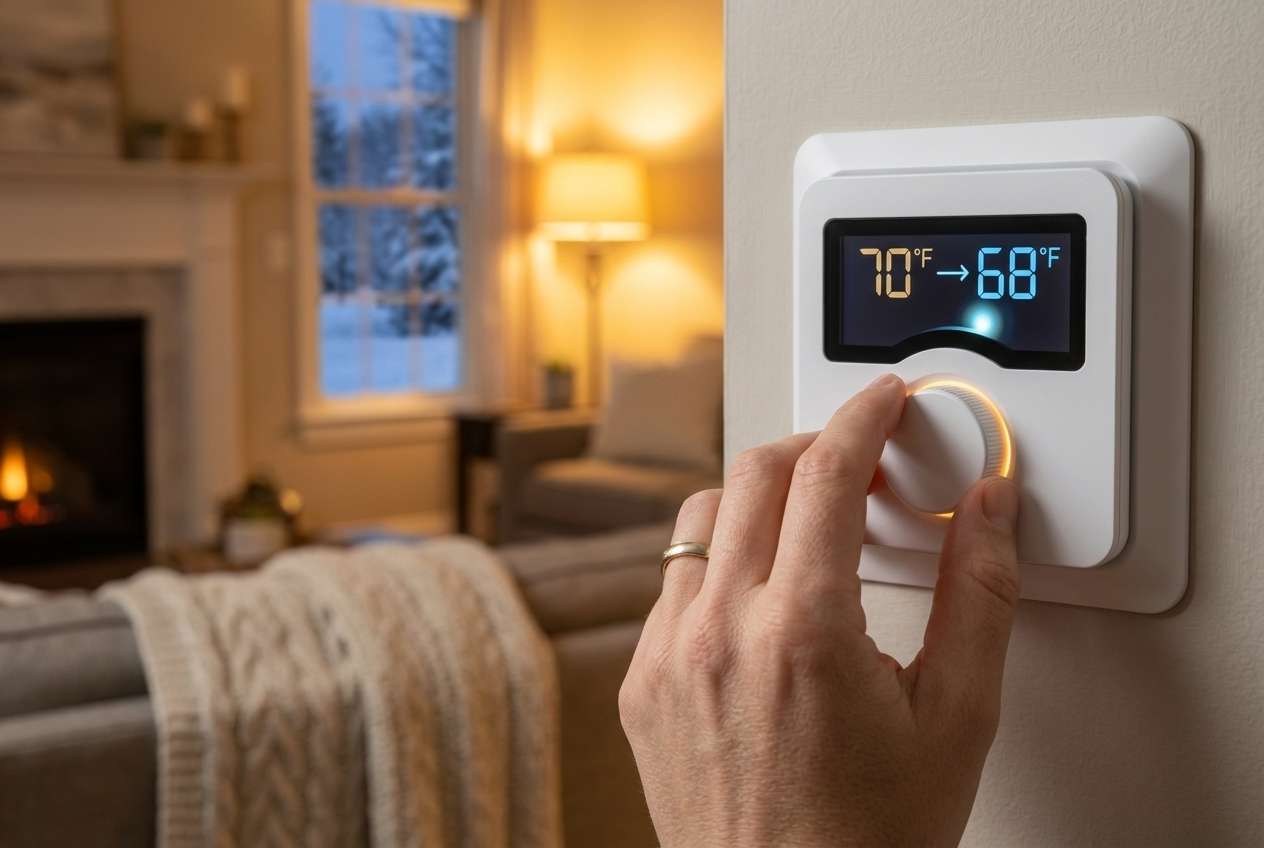
Appliance & Kitchen Habits
Your major appliances — refrigerator, washer, dryer, dishwasher, and cooking equipment — collectively represent roughly 20% of your electricity bill. You cannot change how much power they draw, but you can change how often and how efficiently you run them.
16. Run Full Laundry Loads Only
Your washing machine uses the same amount of mechanical energy whether the drum is half-full or completely full. Running one fewer load per week saves the motor runtime, the water heating (if using warm), and the subsequent dryer cycle. Consolidate smaller loads into full ones instead of running partial batches.
Estimated Savings: ~$18/year17. Air-Dry Laundry When Possible
Your dryer is one of the most energy-hungry appliances in your home, typically drawing 2,000 to 5,000 watts per cycle. In Minnesota’s dry summer months, a clothesline works remarkably well. Even hanging half your weekly loads outdoors instead of running the dryer eliminates a meaningful amount of electricity usage.
Estimated Savings: ~$65/year18. Add a Dry Towel to Dryer Loads
When you do use the dryer, toss in a clean, dry towel with each wet load. The dry towel absorbs moisture from the surrounding clothes, reducing overall drying time. This shortens each cycle by several minutes and reduces the total number of tumble-dry hours your dryer runs over the course of a year.
Estimated Savings: ~$27/year19. Optimize Your Refrigerator Temperature
Your refrigerator should maintain 36 to 38°F and your freezer should hold at 0°F. Many households run both colder than necessary, which increases compressor runtime without improving food safety. Check your settings with a simple appliance thermometer. Also verify the door seals are clean and creating a tight closure — worn gaskets force the compressor to work harder.
Estimated Savings: ~$13/year20. Disable the Dishwasher Heat-Dry
The heat-dry setting on your dishwasher activates a high-wattage heating element at the end of every cycle. Most dishes dry perfectly well with the door cracked open for air circulation. Disabling the heat-dry feature on just one load per day eliminates the energy cost of that heating element entirely.
Estimated Savings: ~$27/year21. Use Small Appliances Instead of Your Oven
A microwave uses about 80% less energy than a conventional oven for the same heating task. An Instant Pot, slow cooker, toaster oven, or air fryer is similarly more efficient for smaller meals. Reserve your full oven for large batches and holiday meals. Use the right-sized tool for the job.
Estimated Savings: ~$13/yearReady to Go Beyond Zero-Cost?
Once you have established these habits, consider electrical upgrades that deliver even deeper savings:
Whole-Home Energy Monitors: We install monitoring devices that track your electricity usage in real-time, helping you identify which appliances and circuits are consuming the most power. Learn about smart home solutions →
LED Lighting Conversion: Replacing every remaining incandescent and CFL bulb with LEDs can cut your lighting electricity usage by 75%. We can plan and install a complete lighting upgrade for your home.
Off-Peak Wiring & Load Management: If your cooperative offers off-peak rates, we install load management receivers, timers, and transfer switches so your water heater, EV charger, and storage heating systems automatically run during discounted rate windows. Read our full energy reduction guide →
Service Panel Upgrades: Homes with undersized panels cannot safely support modern electrical loads. A 200-amp service upgrade eliminates the capacity bottleneck and supports EV chargers, heat pumps, and future electrification.
Take Control of Your Energy Bills
Whether you need off-peak wiring, a whole-home energy monitor, LED lighting upgrades, or a panel capacity evaluation — Bright Haven Electric LLC serves all of West Central Minnesota.
About the Author
Chadwick Ferguson
Chadwick Ferguson is the owner and licensed Master Electrician behind Bright Haven Electric LLC, serving West Central Minnesota from his base in Milan, MN. With deep expertise in residential, commercial, and agricultural electrical systems, he specializes in modern energy solutions including Level 2 EV charger installations, automatic standby generators, and comprehensive electrical panel upgrades.
Chadwick is committed to providing safe, code-compliant, and reliable electrical work to his rural Minnesota community. As the author of the BHElectric blog, he shares practical insights and expert guidance to help homeowners and businesses navigate the complexities of their electrical systems.