
Whole-Home Surge Protection FAQ & How-To
 Chadwick Ferguson
Mar 25, 2026
Chadwick Ferguson
Mar 25, 2026
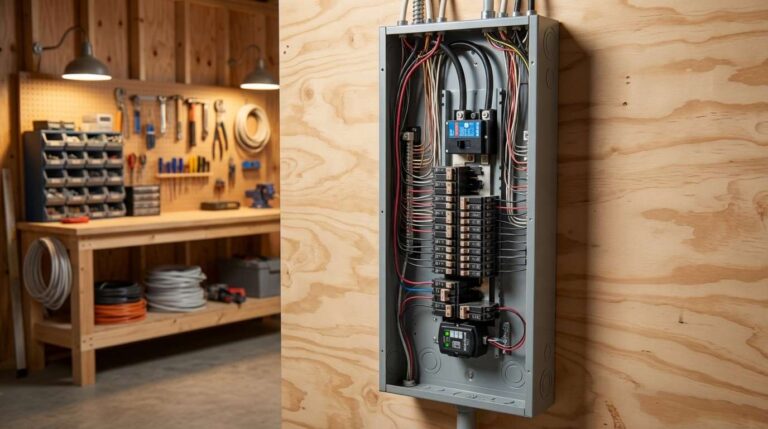
Is Your Home Protected Against Power Surges?
From severe thunderstorms to grid fluctuations, your home’s expensive electronics and smart appliances are constantly at risk. Whole-home surge protection gives you peace of mind.
Read more in: Residential Service Upgrades, Inspections & Code Compliance
Modern homes securely hold dozens of highly sensitive microprocessors, which makes them incredibly vulnerable. For example, your refrigerator, HVAC system, washer, and LED lights contain delicate circuit boards that remain highly sensitive to incoming voltage spikes. A sudden power surge can easily destroy these fragile components instantly. Typically, a nearby lightning strike, an overloaded municipal grid, or a failing neighborhood transformer triggers these dangerous electrical events. While power strips reliably remain common in households, true comprehensive protection happens exclusively at the main breaker panel. Therefore, to ensure complete safety, Bright Haven Electric highly recommends installing whole-home surge protection.
Whole-Home Surge Protection vs. Point-of-Use Strips
Layered Protection Strategy
Whole-Home Surge Protectors:
First, a licensed professional effectively installs these powerful limiters directly at your main electrical panel. As a result, these robust units successfully intercept exceptionally large surges coming from outside before the dangerous energy ever enters your home’s wiring. Furthermore, they successfully protect major hardwired appliances including central AC systems, electric furnaces, and wall ovens, specifically since you cannot plug these high-draw devices into a standard living room power strip.
Point-of-Use Surge Protectors:
Meanwhile, these are your standard indoor power strips. Even with a whole-home unit actively working to block the bulk of an attack, up to 15% of a massive surge can occasionally leak through the system. In addition, large internal appliance motors turning on and off constantly generate surprisingly small internal surges. Therefore, everyday power strips actively act as a necessary final localized barrier for maintaining ultra-sensitive electronics like thin flat-screen TVs and highly expensive desktop computers.
Pro Tip: For complete maximum safety, we strongly recommend implementing a layered approach throughout your home. Consequently, you should definitively pair a whole-home unit at the main panel with high-quality dedicated power strips for your home offices and entertainment centers to protect against all threats.
New NEC Code Requirements for Whole-Home Surge Protection
The National Electrical Code (NEC) now strictly requires whole-home surge protection to properly secure the increasingly complex electronics residing inside modern homes. Consequently, this critical safety measure is naturally no longer just a friendly optional recommendation from your electrician.
NEC 2020 & 2023 Mandates
- NEC 2020 (Section 230.67): First, the NEC strictly mandates that you must reliably install a Type 1 or Type 2 Surge Protective Device (SPD) on all completely new or newly replaced dwelling unit electrical services.
- NEC 2023 (Section 230.67 & 409.70): Furthermore, the updated national code specifically requires active, continuous SPD protection specifically covering crucial HVAC controls. In addition, the code strategically expands these critical safety requirements to now fully include large hotels, university dorms, and local nursing homes.
- Location Requirements: To effectively block external massive power surges, master electricians must skillfully install the surge protector directly at the main service panel, or alternatively, in an approved location immediately adjacent to it.
- Progressive Upgrades: Modern HVAC system modifications structurally require extensively upgraded surge protection. Therefore, if you replace your aging furnace or standard AC unit, local city inspectors will absolutely trigger the strict requirement to install a whole-home SPD at your main house panel in order to remain fully and legally code-compliant.
Manufacturer Warranty Clauses
Many reliable high-quality surge protectors happily offer truly excellent appliance replacement warranties directly to consumers. Specifically, the protective companies will gladly cover immensely costly appliance damages if a massive overwhelming surge surprisingly bypasses the dedicated device. However, there is a very critical hidden catch: almost all top mainstream manufacturers strictly require a fully certified, formally licensed electrician to professionally install the SPD and simultaneously pull proper city installation permits before those companies will actively honor their lucrative appliance replacement clauses.
Keep in Mind: Improper unpermitted DIY installations will automatically and instantly void the original manufacturer’s important warranty. Therefore, you must always hire a professional licensed electrician to properly ensure your robust property protection and financial warranty remain perfectly guaranteed.
How to Check Your Whole-Home Surge Protector
Time needed: 10 minutes
First, a surge protector absorbs dangerous voltage spikes to keep your home safe. However, over time, the device actively sacrifices itself to block these surges and will eventually need replacement. Therefore, here is how you can easily verify its operational status.
- Locate your electrical panel
First, find your main electrical panel. You can typically locate it in a garage, basement, or utility room. However, you should not open the inner metal panel door covering the breakers.
- Identify the surge protector device
Next, look for a small box-like device. Electricians usually mount it immediately outside the panel or carefully make it visible through a small cutout. Additionally, it generally features obvious indicator lights on the front.
- Check the indicator lights
Then, examine the bright LEDs on the device. For example, a solid green light usually indicates you have active protection. Conversely, if the light is red or completely off, the unit has likely taken a massive hit and needs immediate attention.
- Know when to replace
Finally, you must quickly replace the unit if the indicator actually shows a fault. Furthermore, you should proactively replace it after any major lightning event nearby, or after 10 years of consistent service regardless of the light’s current status.
Common Questions About Surge Protection
Yes. A whole-home surge protector completely handles the large voltage spikes coming from outside. Meanwhile, point-of-use power strips handle any residual noise that somehow makes it through. Therefore, we strongly recommend layered protection for all highly sensitive electronics.
No. While these robust units are highly effective against indirect surges from nearby strikes or grid fluctuations, a direct lightning hit to your home carries entirely too much raw energy. Consequently, no standard surge protector can successfully block a massive direct strike.
Typically, the dedicated device reliably lasts between 5 to 10 years. However, this lifespan largely depends on the exact model and the total amount of surges it has actively absorbed over time. Generally, replacing the worn protector remains incredibly inexpensive compared to replacing your home’s costly smart appliances.
Yes, absolutely. Because professional electricians install whole-home units directly at the electrical panel, they automatically cover all hardwired appliances. In addition, they reliably secure every single dedicated circuit throughout the entire house.
Many home insurance policies indeed happily cover sudden surge damage. First, however, fully installing a whole-home surge protector may actually help significantly reduce your likelihood to file damage claims. Furthermore, this intelligent, proactive installation could specifically lower your monthly policy premiums. Therefore, it is always best to check directly with your trusted insurance provider.
Are Your Electronics Protected?
Therefore, do not wait for a severe storm to finally discover your expensive appliances sorely lack protection. Instead, the expert electricians at Bright Haven Electric can skillfully install whole-home surge protection in under an hour.
Licensed, Bonded, and Insured Master Electricians in West Central Minnesota
More on this topic:
Whole-House Surge Protection |
Storm Damage Repair
About the Author
Chadwick Ferguson
Chadwick Ferguson is the owner and licensed Master Electrician behind Bright Haven Electric LLC, serving West Central Minnesota from his base in Milan, MN. With deep expertise in residential, commercial, and agricultural electrical systems, he specializes in modern energy solutions including Level 2 EV charger installations, automatic standby generators, and comprehensive electrical panel upgrades.
Chadwick is committed to providing safe, code-compliant, and reliable electrical work to his rural Minnesota community. As the author of the BHElectric blog, he shares practical insights and expert guidance to help homeowners and businesses navigate the complexities of their electrical systems.