
Upgrading 2-Prong Outlets: Safety Guide for Minnesota Homes
 Chadwick Ferguson
Feb 24, 2026
Chadwick Ferguson
Feb 24, 2026
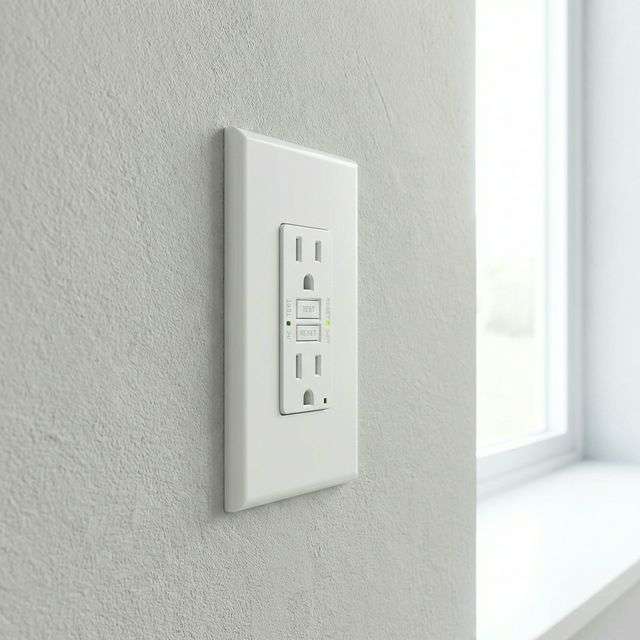
Upgrading 2-Prong Outlets
Thinking of swapping an old 2-wire outlet with a modern 3-prong receptacle? It seems like a simple task, but doing it incorrectly puts your family at risk of severe electric shock.
The Danger of the “Quick Fix”
Upgrading 2-prong outlets to a 3-prong outlet seems like a simple enough task. You just swap the outlet out, screw the plate back on, and voila—now you can plug your 3-wire appliances in, right?
This is a massive mistake. To understand why it is so dangerous, you must understand what that third wire actually does.
What Does the Ground Wire Do?
When an appliance manufactured recently (within the last 20 years) has a 3-wire cord and plug installed on it, it means parts of that appliance could become energized—or contain residual energy—during or after operation.
The third wire (the ground) is there to bond those metallic parts of the appliance. If a short circuit occurs, the ground wire provides a safe path for the electricity to flow back to the panel, instantly tripping the breaker and cutting the power.
Electric Shock Effects
What happens if you continue to use a cheap 2-to-3 prong adapter (often called a “cheater plug”)? Or worse, what happens if you install an incorrectly wired 3-prong receptacle on a circuit with no ground wire?
If a short or fault occurs in the appliance, the electricity cannot find a safe path to the ground through its missing third wire. Instead, it will very likely try to find its ground path through your body.
This exact danger is the impetus as to why Ground Fault Circuit Interrupters (GFCIs) were invented.
The GFCI Solution
Even though there is a dedicated ground path in modern homes, the National Electric Code (NEC) requires the additional “supplementary” protection provided by GFCIs in areas that may become wet (kitchens, bathrooms, garages, exteriors).
GFCI devices contain a differential current transformer. When the amount of current going out of the GFCI does not perfectly equal the amount coming in, it detects a “leak.” Within milliseconds, it shuts off the circuit, preventing a lethal shock.
How to Perform a Safe Upgrade
This leads to the accepted workaround for upgrading from 2-prong to 3-prong outlets on an ungrounded system. You can perform the change legally and safely by installing a GFCI receptacle.
While the GFCI does not create an actual copper ground wire, it provides a supplementary safeguard by tripping before a shock becomes lethal. Outlets using this method must be indicated with the blue stickers that come in the GFCI box, which read: “No Equipment Ground”.
The Ultimate Fix: Rewiring to Modern Standards
At Bright Haven Electric LLC, we strongly believe in doing things right the first time. We always recommend having any 2-wire circuit rerun back to the electrical panel with modern, grounded Romex wiring. Upgrading your electrical panel to handle these modern circuits ensures your home meets the current level of protection dictated by the National Electric Code.
Using a GFCI is a great band-aid, but having a true, physical copper ground wire at your outlets is the only way to ensure 100% safety for yourself, your family, and the sensitive electronic equipment that requires a grounded connection to function properly.
Outdated Outlets Putting You at Risk?
If your West Central Minnesota home is filled with 2-prong outlets, it’s time for an upgrade. Bright Haven Electric LLC specializes in whole-home rewiring and code corrections, bringing outdated systems up to modern safety standards.
About the Author
Chadwick Ferguson
Chadwick Ferguson is the owner and licensed Master Electrician behind Bright Haven Electric LLC, serving West Central Minnesota from his base in Milan, MN. With deep expertise in residential, commercial, and agricultural electrical systems, he specializes in modern energy solutions including Level 2 EV charger installations, automatic standby generators, and comprehensive electrical panel upgrades.
Chadwick is committed to providing safe, code-compliant, and reliable electrical work to his rural Minnesota community. As the author of the BHElectric blog, he shares practical insights and expert guidance to help homeowners and businesses navigate the complexities of their electrical systems.