
IoT & Smart Device Isolation: Zero-Trust Topologies
IoT & Smart Device
Isolation
Bright Haven Electric engineers zero-trust network topologies specifically designed to mitigate the inherent security vulnerabilities of Internet of Things (IoT) hardware.
Smart home appliances, media players, and embedded sensors are notoriously insecure and rarely patched; we construct architectures ensuring a compromised device cannot be used as a pivot point into critical data networks.
Secure IoT Logical Architecture
Engineering highly restricted pathways for untrusted network endpoints.
Strict Layer 2/3 Segmentation
Isolation begins with complete logical separation at both the switching and routing layers, preventing broadcast domain overlap and unauthorized lateral movement.
- Dedicated IoT VLANs: All smart devices are assigned to a physically or logically isolated VLAN and IP subnet, completely detached from internal trusted networks, management interfaces, and server infrastructure.
- Default-Deny Ingress Filtering: Implementation of strict "block all" firewall rules and stateless switch filters applied directly to the IoT gateway. By default, no IoT device is permitted to initiate a connection to any other internal network.
- Hardware-Level MAC and Port Security: Switch ports designated for IoT devices are statically mapped and restricted. Unauthorized devices attempting to bridge into trusted networks via exposed cabling are automatically denied.
Controlled Communication & Discovery
Strict isolation often breaks smart home functionality (e.g., casting to a TV from a smartphone on a different network). We engineer highly controlled pathways to restore functionality without compromising the zero-trust boundary.
- Multicast & Broadcast Relays: Deployment of specialized protocol repeaters (mDNS, SSDP, and WS-Discovery) across subnet boundaries. This allows trusted client devices to discover and control IoT hardware (like smart speakers or media servers) without placing them on the same network.
- Micro-Segmented Pinholes: Configuration of granular, stateful firewall rules to allow highly specific, one-way traffic. For example, allowing a specific IoT device IP to communicate exclusively with a local Home Assistant server on port 8123, or a smart TV to access a local media server on port 32400, while explicitly dropping all other traffic.
Egress Filtering & DNS Enforcement
Many IoT devices attempt to phone home, exfiltrate telemetry data, or bypass local network controls by utilizing hardcoded external DNS servers.
- DNS Hijacking Prevention: Implementation of NAT port forwarding and firewall blocking rules to intercept outbound requests to external DNS resolvers (Port 53) or DNS-over-TLS (Port 853). All DNS queries are forcibly redirected to internal, highly filtered DNS sinkholes (e.g., AdGuard Home or Unbound) to block telemetry and ad-tracking domains.
- Granular Outbound Restrictions: Restricting specific high-risk devices from accessing the wider internet entirely, allowing them to function purely on the local network.
- Traffic Shaping (Scavenger Class): Applying Class of Service (CoS) and Differentiated Services (DiffServ) tagging to demote IoT traffic to the lowest priority queues, ensuring that background firmware updates or cloud telemetry do not degrade the performance of critical applications.
Initiate an Infrastructure Project
Submit your technical requirements or RFP document for a comprehensive engineering review and proposal.
Request Engineering ProposalSmart Home & IoT Logs
Browse our recent technical updates regarding IoT isolation and network security topologies.
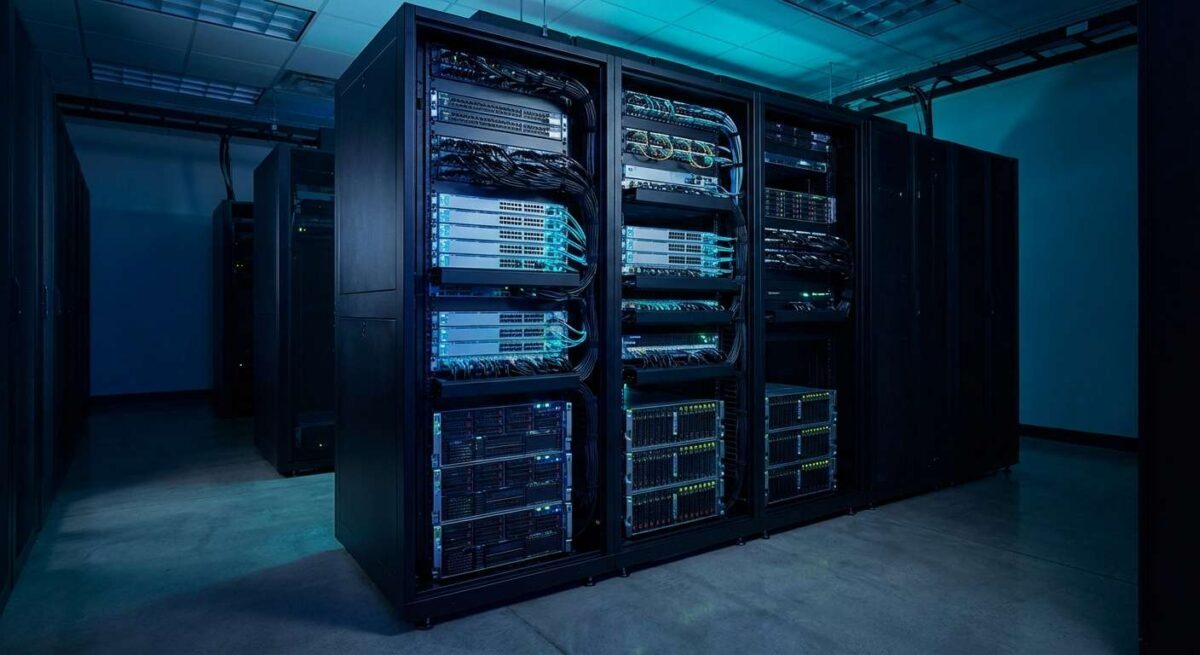
Bright Haven Network Infrastructure | Enterprise Architecture
At Bright Haven, we engineer our data networks with the same precision as our electrical systems. Discover the enterprise-grade, highly-available infrastructure hosting our digital presence.