
High-Availability Security & NGFW: Firewall Architecture
High-Availability Security & NGFW
Bright Haven Electric architects and deploys fault-tolerant, Next-Generation Firewall (NGFW) clusters utilizing OPNsense.
We engineer edge security environments that provide deep, application-layer visibility and cryptographic access controls without compromising network uptime or routing flow during hardware faults.
Technical Architecture Integration
Engineering resilient, L7 inspection engines for commercial infrastructure.
HA Clustering & Failover
To guarantee continuous edge connectivity and routing, we deploy active-passive firewall clusters utilizing robust, protocol-level redundancy mechanisms.
- CARP (Common Address Redundancy Protocol): Implementation of Virtual IPs (VIPs) across all LAN and WAN interfaces. In the event of primary hardware failure, the standby node assumes gateway routing duties in sub-second timeframes.
- pfsync State Synchronization: Utilization of a dedicated, physical crossover network to mirror the firewall state table in real-time. Active TCP connections, UDP streams, and NAT states survive hardware failover seamlessly without dropping client sessions.
- XMLRPC Configuration Sync: Automated, encrypted synchronization of firewall rules, DHCP leases, aliases, and VPN configurations across cluster nodes, ensuring operational consistency.
Deep Packet Inspection (IDS/IPS)
Standard Layer 3/4 port blocking is insufficient for modern threat landscapes. We deploy comprehensive Layer 7 inspection engines to detect and mitigate malicious payloads before they breach the perimeter.
- Suricata IDS/IPS: Deployment of hardware-accelerated intrusion prevention utilizing strictly curated rulesets (e.g., Emerging Threats Malware/Exploits, DShield, Abuse.ch BotCC, and URLhaus). Traffic is actively dropped upon signature match.
- Zenarmor L7 Filtering: Integration of advanced packet inspection to identify and control traffic based on the application protocol, regardless of the port in use. Enables granular web filtering, application control, and real-time threat intelligence feeds.
- Dynamic Threat Intelligence: Configuration of dynamic firewall aliases tied to GeoIP databases (MaxMind) and real-time blocklists, allowing the firewall to proactively shun traffic from high-risk regions and known-malicious ASNs.
Secure Remote Access & VPN
For remote management and site-to-site interlinks, we deploy highly secure, low-latency cryptographic tunnels.
- WireGuard VPN Infrastructure: Implementation of WireGuard for its modern, highly efficient elliptic-curve cryptography (Curve25519). WireGuard operates entirely in kernel space, providing vastly superior throughput compared to legacy IPsec or OpenVPN deployments.
- Strict Client Isolation: Remote clients are not granted blanket network access. VPN peer endpoints are bound to granular, least-privilege firewall rules, restricting remote access strictly to required services (e.g., Management interfaces or specific Server IPs).
- Hybrid NAT & Tunneling: Advanced configuration of Outbound NAT rules to handle complex encapsulation, including IPv6-in-IPv4 tunneling (Protocol 41) and MSS (Maximum Segment Size) clamping to prevent packet fragmentation across restrictive transit links.
Initiate an Infrastructure Project
Submit your technical requirements or RFP document for a comprehensive engineering review and proposal.
Request Engineering ProposalFirewall Case Studies & Logs
Browse our recent technical updates regarding high-availability topologies and intrusion prevention.
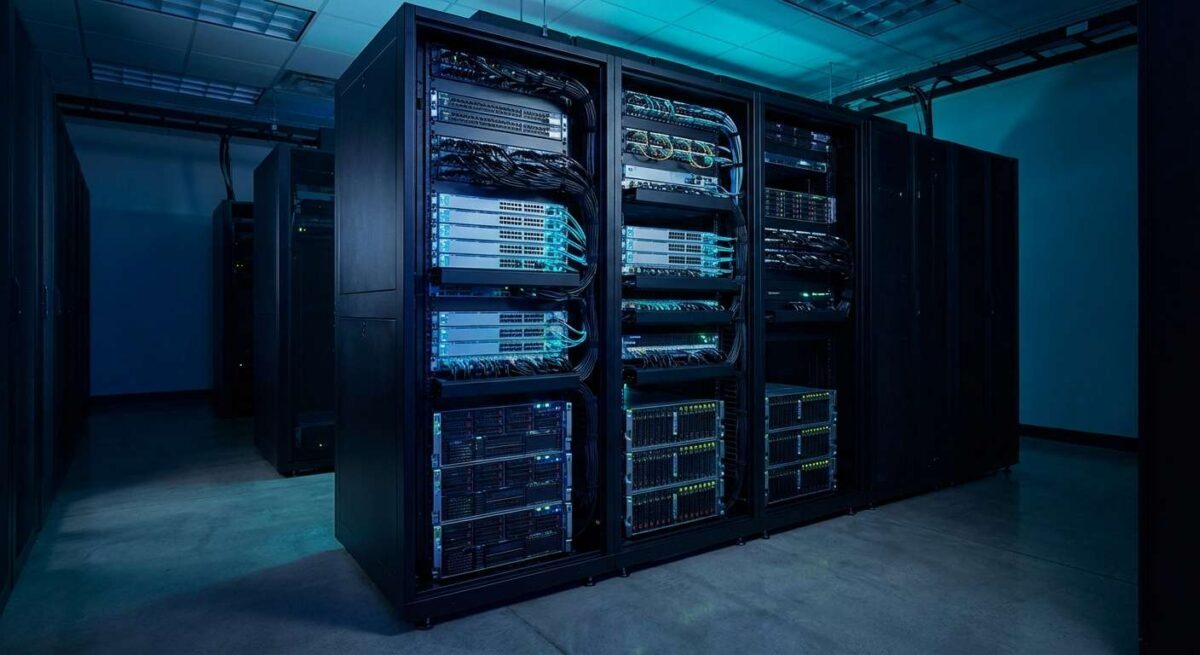
Bright Haven Network Infrastructure | Enterprise Architecture
At Bright Haven, we engineer our data networks with the same precision as our electrical systems. Discover the enterprise-grade, highly-available infrastructure hosting our digital presence.