
 Chadwick Ferguson
Mar 1, 2026
Chadwick Ferguson
Mar 1, 2026
Understanding Your Home Electrical System
The most important step you can take to prevent electrical fires is learning about your home’s electrical system. Know the warning signs and keep your family safe.
Do you know how your home electrical system works? According to the NFPA, electrical failures cause thousands of house fires every year. These fires result in injuries and billions in property damage. Often, faulty electrical distribution or lighting equipment is to blame.
However, there’s good news. Many of these fires are entirely preventable. To stay safe, you must learn to recognize the early warning signs. In this guide, we’ll explain your whole home electrical system. As a result, you’ll be better equipped to spot hazards before they cause real harm.
1. Your Home Electrical System’s Service Panel
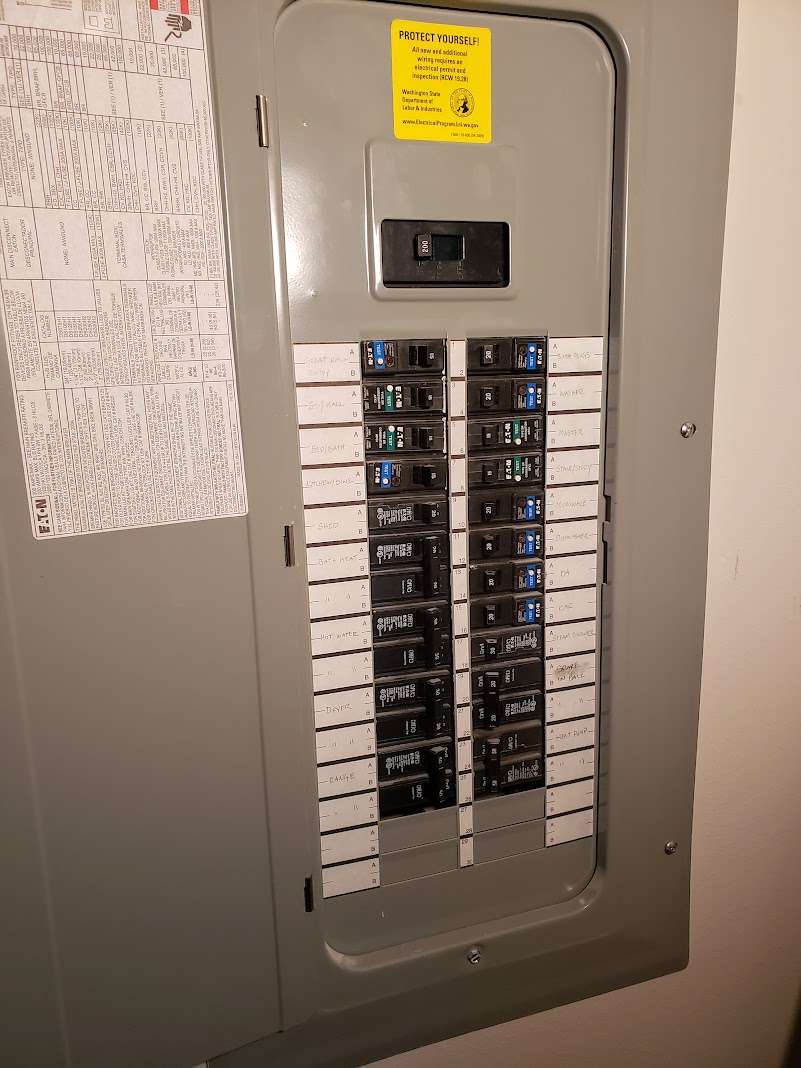
Every house has a main service panel. You can usually find it in the basement, garage, or utility room. This panel sends power to your switches, outlets, and appliances. Therefore, knowing what’s inside is your first line of defense.
Circuit Breakers & Fuses
These devices protect your wires from getting too hot. For example, circuit breakers “trip” to stop the power if it gets dangerously high. Older fuses will “blow” to do the same thing. If a breaker trips often, your circuit is likely overloaded. In this case, you should call a professional electrician.
Arc Fault Circuit Interrupters (AFCIs)
An arc fault is a dangerous problem. It’s usually caused by stressed, damaged, or hot wires. AFCIs replace normal circuit breakers to fix this. Specifically, they detect these hidden sparks and shut the power off before a fire starts. Learn more about our AFCI upgrades.
2. Home Electrical System Wiring Types
About one-third of US homes are over 50 years old. As a result, their wiring might not be safe. The types of wires hidden behind your walls greatly impact your safety.
Knob & Tube (1800s – 1930s)
This is an old, ungrounded system. It uses ceramic knobs and tubes to run wires. Unfortunately, it chips and breaks easily as it ages. Today, it’s a known fire hazard. We offer knob and tube replacement.
Aluminum Wiring (1960s – 1970s)
Builders used aluminum when copper prices were very high. However, older aluminum wiring can cause loose connections at your outlets. This creates a severe fire hazard. A licensed electrician must properly mitigate it. See our aluminum wiring solutions.
Grounded Systems (1940s – Present)
Modern wiring adds a third “ground” wire. This wire connects directly to the earth. During a short circuit, it safely sends stray power into the ground. Consequently, it greatly lowers your chance of getting shocked.
3. Outlets in Your Home Electrical System
You use your outlets every single day. Therefore, they’re your most direct link to your home electrical system. Making sure they meet current safety standards is very important.
Life-Saving Outlet Technologies
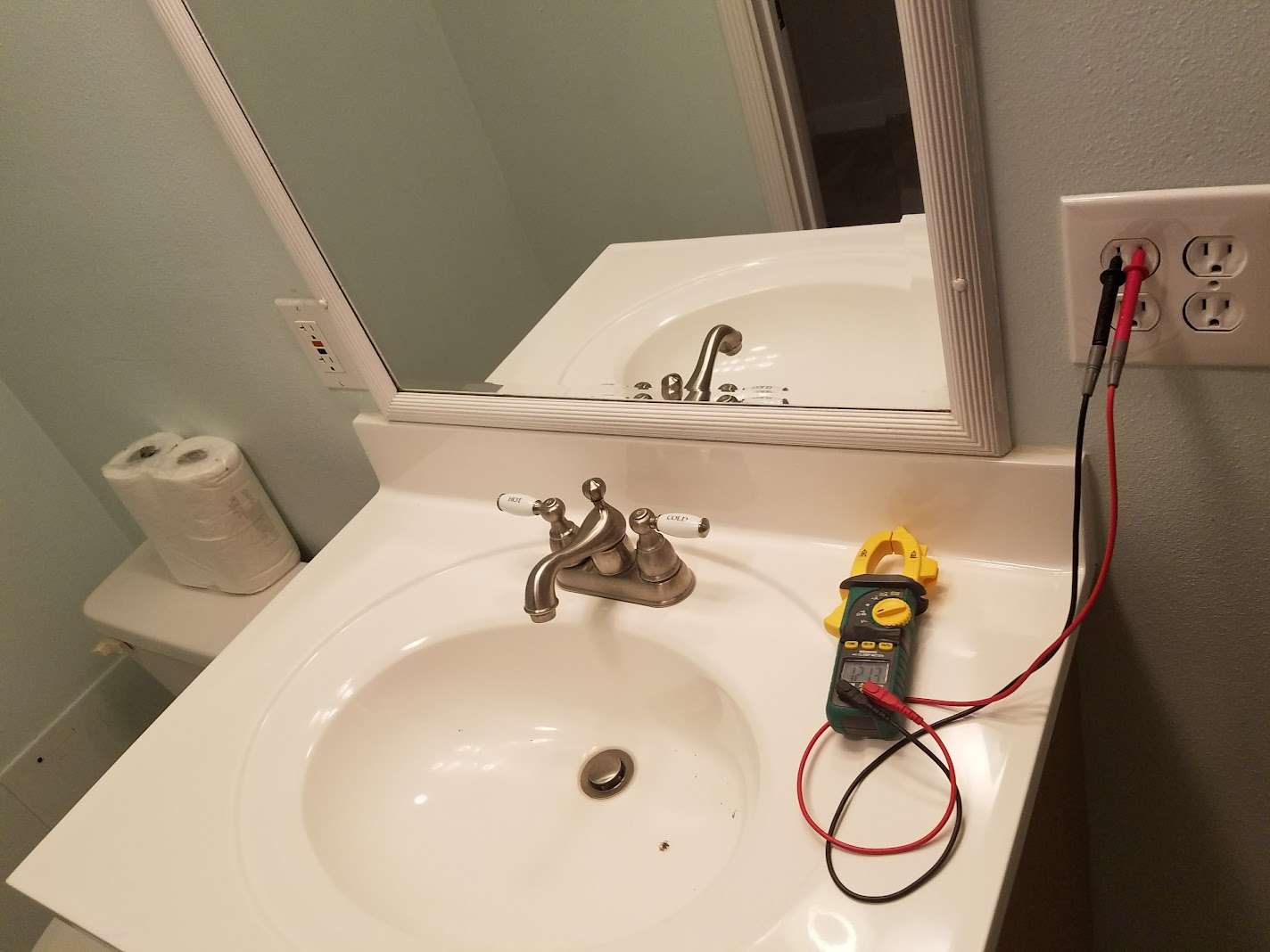
Ground Fault Circuit Interrupters (GFCIs): These outlets trip off when electricity leaks. Today, building codes require them in kitchens, bathrooms, basements, and outdoors. Most importantly, GFCIs quickly stop power before a deadly shock happens.
Tamper Resistant Receptacles (TRRs): These have spring-loaded shutters. They only open when you push both sides at once. Thus, they stop children from sticking objects like keys into the outlet. As a result, they prevent terrible burn injuries.
Need an Electrical Safety Inspection?
Does something in your West Central Minnesota home seem wrong? Do you’ve tripping breakers or old wiring? If so, Bright Haven Electric LLC can help. We provide professional safety inspections to keep your home safe and reliable.
About the Author
Chadwick Ferguson
Chadwick Ferguson is the owner and licensed Master Electrician behind Bright Haven Electric LLC, serving West Central Minnesota from his base in Milan, MN. With deep expertise in residential, commercial, and agricultural electrical systems, he specializes in modern energy solutions including Level 2 EV charger installations, automatic standby generators, and comprehensive electrical panel upgrades.
Chadwick is committed to providing safe, code-compliant, and reliable electrical work to his rural Minnesota community. As the author of the BHElectric blog, he shares practical insights and expert guidance to help homeowners and businesses navigate the complexities of their electrical systems.